
Hydrocera triflora
Hydrocera triflora
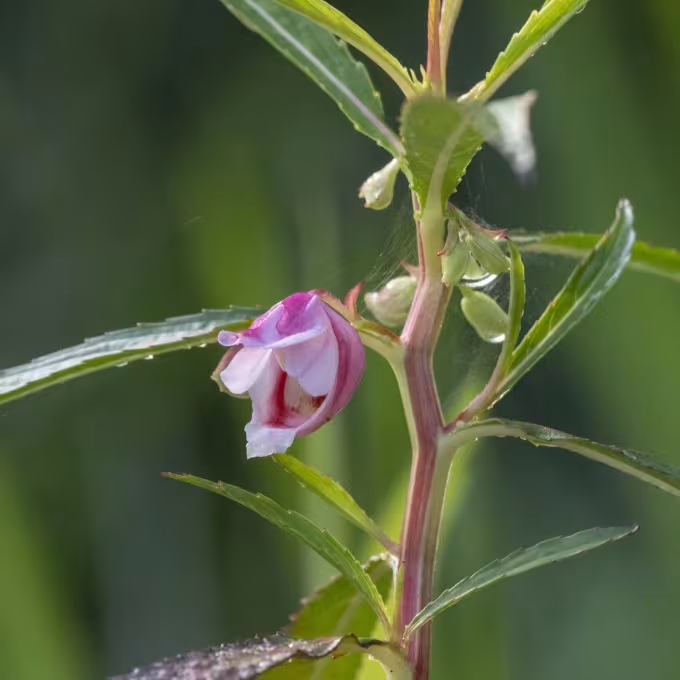
Description
Sowing dates
Hydrocera triflora is an annual herbaceous plant whose life cycle is strictly tied to seasonal water level fluctuations. Seeding or natural regeneration occurs after floodwaters recede or when a stable hydrological regime is established, typical for tropical and subtropical regions of Asia.
In cultivation, seeds are sown directly into saturated substrate or shallow water bodies. Germination requires high air temperatures, usually above 25 degrees Celsius, making open-field cultivation impossible in temperate climates without greenhouse controls.
A critical stage during sowing is ensuring that seeds have adequate access to sunlight, as seedlings are highly sensitive to shading. The optimal sowing depth is no more than 1-2 centimeters, allowing the sprout to quickly reach the water surface.
The vegetation period is intensive, lasting from three to five months depending on water temperature and nutrient availability. Controlled sowing schedules in hydroponic systems or regulated basins allow for multiple biomass harvests throughout the year.
Seeds possess a long dormancy period, so scarification of the seed coat or soaking in growth stimulants is often employed to improve germination rates. Maintaining optimal stand density prevents premature lodging of the stems.
Growing requirements
The crop belongs to the Balsaminaceae family and is the only species in its genus, which determines its unique botanical requirements. The plant prefers exclusively waterlogged soils, marshy areas, rice paddies, or shallows with slow-moving water.
For normal development, Hydrocera triflora requires a high level of insolation and protection from strong winds, which can damage the fragile hollow stems. The temperature optimum for growth is 24–30 degrees Celsius; growth effectively ceases if water temperatures drop below 15 degrees.
Soil composition must be rich in organic matter, typical of silty river delta deposits. The plant demonstrates a high requirement for nitrogen nutrition, which is often provided by the natural fertility of sediments in its native growing habitats.
The most important agrotechnical requirement is maintaining a constant water level, as drying out of the root system leads to rapid plant death. Water quality should not be overly saline, as the species is sensitive to high salt concentrations.
Fertilization regimes must be balanced to account for the intensive leaching of nutrients in the aquatic environment. The application of potassium and phosphorus additives helps strengthen the mechanical tissues of the stem, increasing resistance to lodging.
Yield
The economic productivity of Hydrocera is evaluated by the volume of green biomass obtained, which is used as a feed additive or valuable plant raw material. Under favorable conditions, yield can reach significant levels due to the rapid growth rate of the stems.
Biomass accumulation intensity is directly correlated with the concentration of available mineral elements in the water body's silt. In plantation-style cultivation, yields are significantly higher than those from wild-harvested populations due to optimized planting density.
Yield also depends on the developmental stage of the plant at the time of harvest. Maximum nutrient yield is observed at the onset of flowering, when stems have not yet become overly lignified, which is critical for forage purposes.
Cultivation efficiency increases when using selection methods for early maturity, allowing for multiple harvests per calendar year. Product quality assessment includes analyzing protein and mineral salt content.
Harvest losses with manual gathering are minimal, though mechanical harvesting is complicated by the nature of the growing environment. The use of floating platforms increases collection productivity and reduces the labor intensity of managing plantations.
Main diseases and pests
The primary biological threats to the crop are fungal diseases that develop under conditions of stagnant water and high humidity. Common pathogens include species of the genera Pythium and Phytophthora, which cause root and stem rots.
Pests, such as aquatic insects and larvae of certain moth species, can cause significant damage to leaves, reducing the photosynthetic surface area. Damage to the leaf blade provides an entry point for secondary infections.
Mollusks inhabiting the same water bodies often graze on young Hydrocera shoots, significantly slowing plantation development in the early stages. Control requires eco-friendly methods that do not disrupt the aquatic ecosystem.
Competition with aquatic weeds, such as water hyacinth or duckweed, can lead to the suppression of Hydrocera crops. Regular clearing of canals and basins is a mandatory measure to prevent the overgrowth of plantations by invasive species.
Yield reduction is often triggered by disruptions in the hydrological regime, which weakens the plants' immune systems and makes them more susceptible to infectious agents. Disease prevention is based on crop rotation and monitoring the quality of irrigation water.
Harvesting
The harvesting process for Hydrocera triflora requires specific skills and tools due to the aquatic growing environment. The optimal harvest time occurs before the plant's fruits fully form and begin to disperse into the water.
Harvesting is most often manual: plants are carefully cut just above the silt level using sickles or specialized knives. In industrial scales, it is possible to use floating mowers adjusted for working with fragile stems.
After cutting, the green mass is subjected to primary sorting to remove foreign impurities, such as duckweed or remnants of other aquatic vegetation. Rapid transport of harvested material to drying or processing facilities is crucial to prevent rotting processes.
To preserve nutritional properties, the collected biomass is subjected to rapid drying in natural conditions under shelters or in specialized drying chambers. Proper drying technology ensures long-term storage of the product without quality loss.
An important aspect is adhering to harvest timelines; late harvesting results in stems becoming fibrous and losing their forage value. Selective harvesting allows a portion of the strongest plants to remain for natural population renewal through seeds.