
Hydnophytum moseleyanum
Hydnophytum moseleyanum
Description
Growing requirements
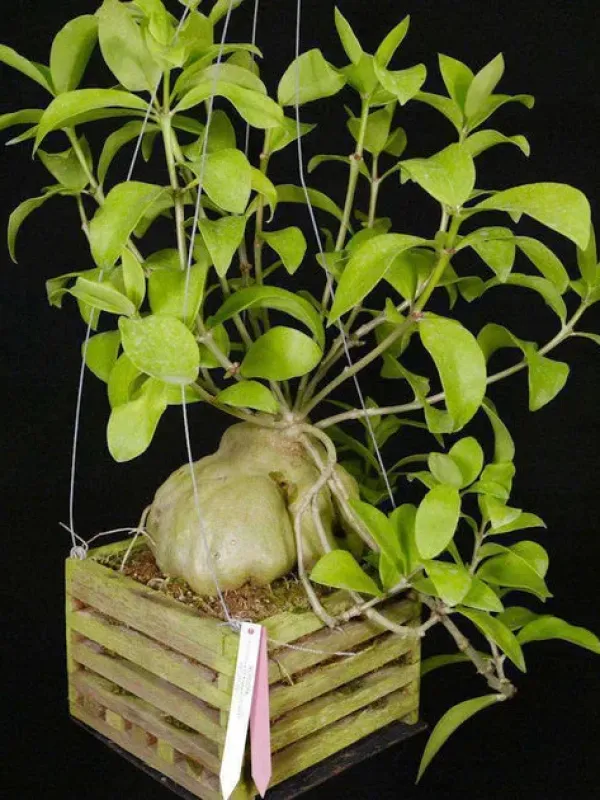
Hydnophytum moseleyanum is a remarkable species belonging to the Rubiaceae family. This myrmecophyte is native to the tropical rainforests of Southeast Asia and the Pacific, where it naturally thrives as an epiphyte on the branches and trunks of host trees.
The defining botanical characteristic of this culture is the caudex—a swollen, tuberous stem structure perforated by complex tunnels. In the wild, these cavities are colonized by ants, creating a mutually beneficial relationship where the plant gains nutrition and protection in exchange for shelter.
Cultivating this plant requires replicating its natural environment, which means high humidity and consistent warmth. It thrives best in bright, indirect light, as direct tropical sunlight can cause severe scorching to the surface of the tuberous caudex.
The potting medium must be highly porous and well-draining. A mix consisting of orchid bark, perlite, and dried sphagnum moss is ideal to ensure that air reaches the roots and to prevent the moisture stagnation that the plant finds lethal.
Temperature management is vital, with a preferred range between 20°C and 28°C. The plant should be protected from cold drafts and sudden drops in temperature, as these can quickly lead to the physiological decline and leaf drop of the specimen.
Main diseases and pests
The primary threat to the health of Hydnophytum moseleyanum is waterlogging. Excessive moisture in the potting mix or water trapped in the caudex cavities for too long will lead to rot, which is difficult to treat once it takes hold.
Common pests include mealybugs and spider mites, which can easily hide within the crevices of the caudex. Regular monitoring is essential to catch infestations early before they compromise the delicate structure of the plant.
Management of these pests should prioritize mechanical removal or mild insecticidal soaps. Harsh chemical treatments should be avoided unless necessary, as the plant’s specialized tissues may be sensitive to concentrated horticultural chemicals.
Fungal infections typically arise due to poor ventilation and cold, damp conditions. Symptoms include dark, mushy spots on the stem, which should be immediately excised with a sterile blade to prevent the spread of decay to the entire caudex.
Overall, maintaining a stable environment with excellent airflow is the best defense against threats. Providing conditions that mimic the canopy of a tropical forest helps the plant remain resilient against both diseases and common indoor pests.