
Hybrids of Filipendula multijuga and Filipendula palmata
Hybrids between Filipendula multijuga and Filipendula palmata
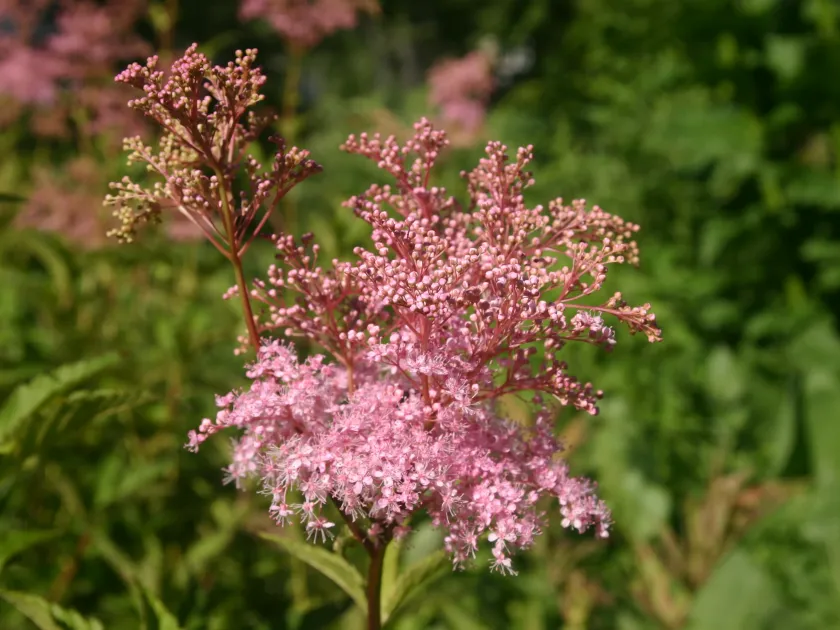
Description
Sowing dates
The seeds of Filipendula hybrids are best sown in late autumn to experience natural stratification, which is crucial for uniform and high germination rates.
If sowing is planned for spring, seeds require a period of cold treatment (stratification) for at least 4-8 weeks to break dormancy before they can sprout.
Seeds should be surface-sown on a moist, nutrient-rich substrate, as they require light and constant humidity to successfully initiate the germination process.
Vegetative propagation via root division is the preferred method for maintaining the desired characteristics and ensuring faster establishment of the perennial clumps.
The best timing for dividing these plants is early spring when the first buds appear, or during the dormancy period in early autumn for root recovery.
Growing requirements
These hybrids belong to the Rosaceae family and naturally thrive in moist, cool meadow environments, requiring consistent soil moisture throughout the season.
They prefer fertile, humus-rich loamy soils with a pH ranging from neutral to slightly acidic to support vigorous vegetative growth and profuse flowering.
While the plants are moisture-loving, they perform best in well-drained soils, as waterlogged conditions in winter can cause root rot in cold climates.
These plants are highly frost-hardy and generally do not require special protection during the winter, provided the soil is not excessively saturated with ice.
Partial shade is ideal for these hybrids; intense direct sunlight can scorch the leaves and significantly reduce the lifespan of the flowers in hot summer regions.
Yield
The economic value of this culture is primarily defined by its ornamental use, as it creates striking visual appeal in landscape design and perennial borders.
When grown for herbal purposes, the aerial parts (leaves and flowering tops) are harvested at the peak of the blooming season to ensure maximum concentration of compounds.
Yield efficiency depends heavily on soil fertility and irrigation management, especially during the critical phase of bud development in early summer.
An established plant can remain productive for many years, though periodic division is recommended every 5-7 years to prevent overcrowding and maintain plant vigor.
Total biomass production is maximized in environments that mimic their native temperate-to-cool habitats, preventing premature senescence of the foliage.
Main diseases and pests
Aphids are common pests that colonize the tender flower stalks, leading to stunted development and occasionally transmitting viral infections to the host plant.
Powdery mildew is the most frequent fungal issue, particularly when plants are grown in areas with poor airflow or during periods of high humidity and heat.
Maintaining proper spacing between individual plants is essential for promoting air circulation, which is the most effective preventative measure against disease outbreaks.
In case of pest infestations, integrated pest management practices should be employed to protect the plant while preserving the health of local pollinators.
- Regular monitoring of foliage for early signs of mildew or aphid colonies.
- Watering the base of the plant instead of overhead irrigation to keep leaves dry.
- Removing and disposing of any infected plant material to stop disease spread.