
Siberian meadowsweet
Filipendula palmata (Pall.) Maxim.
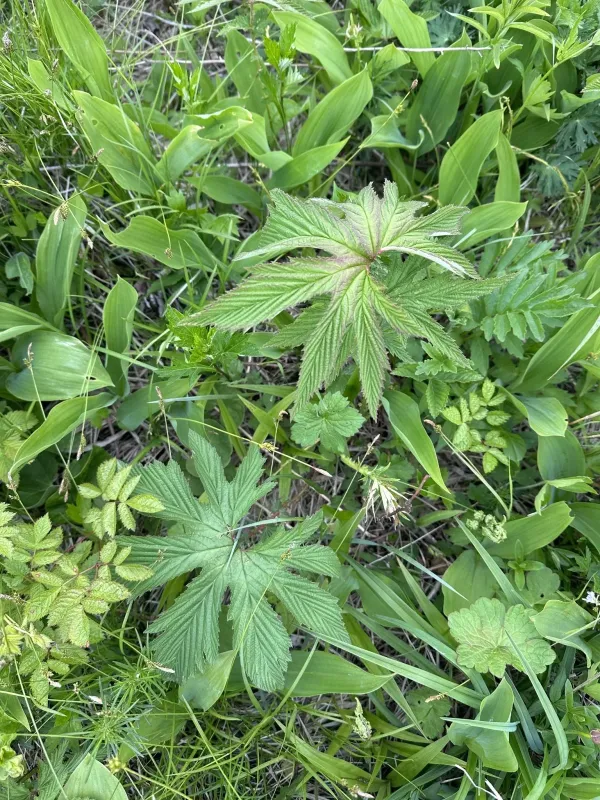
Description
Sowing dates
Sowing seeds of Siberian meadowsweet is most effective when performed in late autumn, allowing the seeds to undergo natural stratification during the winter months. If planting in spring, seeds require cold stratification for at least two to three months to ensure uniform germination.
Seeds should be sown at a shallow depth of approximately 1–2 centimeters in well-drained but consistently moist soil. Maintaining constant moisture levels during the germination phase is critical for the survival of the seedlings as they establish their root systems.
Vegetative propagation via rhizome division is often preferred for established plots to ensure the consistency of plant traits. This process is best performed in early spring or late autumn when the plant is not in its peak growth phase, ensuring successful establishment.
A planting density of 40 to 50 centimeters between plants is recommended to allow for optimal air circulation and root development. Proper spacing prevents overcrowding, which is a common trigger for fungal infections in dense herbaceous plantings.
During the first year, plants typically focus on developing a basal rosette of leaves and a strong root structure. Full flowering generally occurs in the second or third year, depending on soil conditions and the quality of maintenance provided during the establishment period.
Growing requirements
Siberian meadowsweet, a member of the Rosaceae family, thrives in moist, open environments. While it prefers sunny locations, it can tolerate partial shade, mimicking the conditions of its native forest-edge habitats in the Russian Far East and Siberia.
The ideal soil for this species is a nutrient-rich, fertile loam with a neutral to slightly acidic pH. While the plant loves water, it is important to provide soil that does not suffer from long-term waterlogging, which could cause root rot.
This species is exceptionally cold-hardy, adapted to harsh continental climates. It emerges early in the spring, rapidly growing its foliage as soon as the ground thaws, making it a robust perennial for northern agricultural zones.
Consistent irrigation is required throughout the active growing season, particularly during the pre-flowering and flowering stages. Sufficient water availability directly correlates with the quality of the harvested aerial biomass and the production of medicinal compounds.
Organic fertilization, such as well-rotted compost or manure applied before the growing season, provides the necessary nutrients for vigorous plant development. This boosts both the ornamental value of the plant and its productivity as a source of raw material.
Yield
The agricultural value of Siberian meadowsweet is primarily derived from its medicinal rhizomes and aerial parts. Peak biomass production is typically achieved once the plants reach their full size, usually 3 to 4 years after initial establishment.
Aerial parts are harvested during the peak blooming period, when the concentration of biologically active substances is at its highest. Harvesting should involve cutting stems about 15 centimeters above the soil line to allow for recovery and perennial growth.
Rhizome harvest is best scheduled for the autumn months, when the plant draws its energy reserves down into the roots. After harvesting, roots must be washed thoroughly and dried in well-ventilated conditions to prevent mold and ensure long-term storage quality.
Beyond medicinal use, the plant is highly regarded as an excellent honey plant. Its prolonged summer blooming period provides a steady source of nectar, making it a valuable addition to integrated agricultural systems that incorporate apiculture.
Successful management depends on controlling competitive weeds, especially in the first two years. By maintaining clean rows and providing necessary moisture, growers can achieve stable, high-quality yields for many years without the need for frequent replanting.
Main diseases and pests
Powdery mildew is the most common threat to Siberian meadowsweet, particularly in seasons with high humidity and poor air circulation. Symptoms appear as a white, dusty coating on the leaves, which significantly impacts the aesthetic and medicinal quality of the crop.
Excessive moisture combined with soil compaction can lead to root rot issues. Proper soil preparation and the inclusion of organic matter to improve drainage are essential strategies for maintaining plant health and preventing root-zone pathogens.
Pests such as aphids may occasionally colonize the tender young tips of the plant during the early growth stages. Integrated pest management using gentle bio-insecticides is recommended to avoid chemical residues on plants intended for herbal use.
Regular monitoring of the plots is essential for early detection of potential disease outbreaks. Removing affected plant parts promptly and disposing of them away from the field helps prevent the spread of infections to neighboring, healthy specimens.
Maintaining a rotation cycle and ensuring sufficient space between plants helps mitigate the build-up of soil-borne pathogens. Using certified or disease-free planting stock is the most important foundation for a healthy, productive Siberian meadowsweet crop.