
Leaf kale
hybrids between Brassica oleracea L. convar. capitata (L.) Alef. and Brassica oleracea L. convar. acephala (DC.) Alef. var. viridis L.
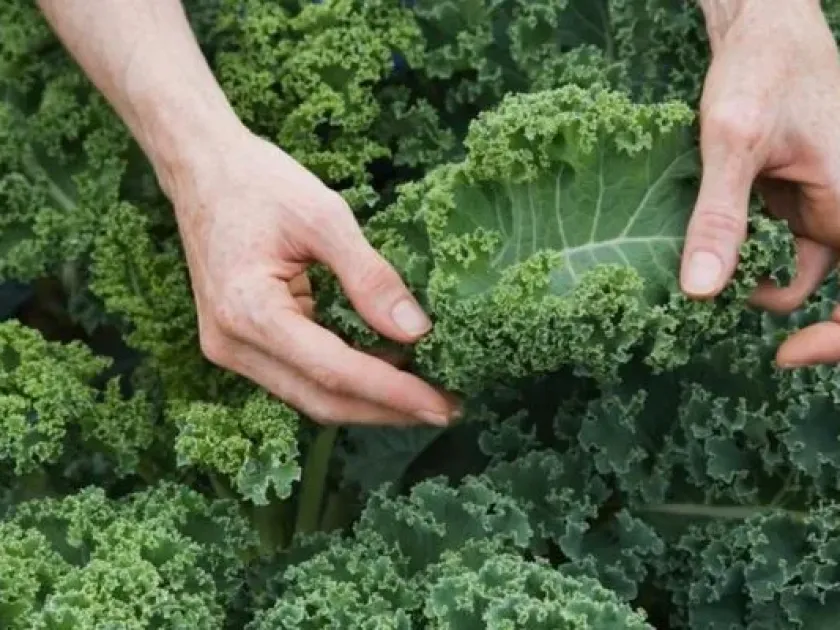
Description
Sowing dates
The sowing schedule for leaf kale depends on the local climatic zone and the intended cultivation method. In temperate regions, seeds can be sown directly into the soil as soon as the ground is workable in the spring.
For earlier harvests, starting seeds in greenhouses or plug trays 4–6 weeks before the final frost date is highly recommended. This practice ensures strong, well-established plants that can withstand transplanting shock.
Leaf kale is known for its cold tolerance, which allows for fall and even winter production in milder climates. Successive sowing every few weeks ensures a continuous supply of fresh greens throughout the season.
Proper spacing is crucial for leaf quality and air circulation. Seeds should be sown to allow 40 to 60 cm between mature plants, ensuring that every leaf has adequate access to sunlight for optimal photosynthesis.
Germination typically occurs within 7–10 days under ideal soil temperature conditions. It is essential to maintain consistent moisture during the germination period to ensure uniform plant establishment.
Growing requirements
Leaf kale belongs to the Brassicaceae family and thrives in full sun, though it is one of the few leafy crops that can tolerate light shade. Excessive shading, however, may cause the plants to become spindly.
The soil should be fertile, well-draining, and rich in organic matter. A soil pH between 6.0 and 7.0 is ideal for maximizing nutrient uptake; acidic soils should be treated with lime before planting.
Water management is critical for leaf kale, as it requires consistent moisture to produce tender, flavorful leaves. During dry spells, deep watering is preferred over light sprinkling to encourage strong root development.
Nitrogen-rich fertilizers are essential in the early stages of growth to support lush foliage production. As the plants mature, balanced feeding supports ongoing leaf regeneration after repeated harvesting.
The plant is highly adaptable to cool temperatures and can withstand light to moderate frosts, which often improves the flavor profile of the leaves by increasing their natural sugar content.
Yield
Yield potential is influenced by planting density, fertility management, and harvesting techniques. In intensive production systems, yields can reach 30 to 50 tons per hectare depending on the variety.
The "cut-and-come-again" method is the most efficient way to maximize yield. By harvesting only the lower, outer leaves, the plant continues to produce new foliage from the center, extending the harvest window for months.
Modern hybrid varieties have been specifically bred for higher productivity and uniformity, making them the preferred choice for commercial vegetable operations looking to maximize profits.
Maintaining optimal soil fertility and managing competition from weeds allows the plant to allocate its energy primarily to leaf production, resulting in higher quality yields.
Crop rotation remains a key strategy for maintaining yield consistency. Avoiding areas previously planted with other Brassica crops prevents the build-up of specific soil-borne diseases.
Main diseases and pests
Flea beetles are the most common early-season pest, capable of damaging seedlings rapidly. Using row covers or insect netting is an effective non-chemical barrier during the establishment phase.
Caterpillars, including cabbage loopers and white butterflies, can cause significant cosmetic damage. Monitoring for eggs and using biological controls like Bt (Bacillus thuringiensis) can help manage these populations.
Clubroot is a serious soil-borne disease that affects the roots of the kale plant. Strict crop rotation and maintaining proper soil pH levels are the best defenses against this long-lasting pathogen.
Downy mildew and powdery mildew can occur in humid or poorly ventilated conditions. Ensuring adequate spacing between rows significantly reduces the micro-climate moisture that promotes fungal development.
- Flea beetles
- Cabbage loopers
- Clubroot
- Powdery mildew
Harvesting
Harvesting leaf kale is an ongoing process that typically begins 60 to 90 days after transplanting. The leaves should be harvested when they are large enough to be palatable but still tender.
Always harvest in the early morning to ensure the leaves have high turgidity. This post-harvest freshness is essential for maintaining product quality and extending shelf life during distribution.
If the entire plant is harvested for commercial bulk processing, it should be done quickly to maintain the cold chain. Proper chilling to 0–2 degrees Celsius is necessary immediately after harvest.
During the harvest, ensure that the central growing point remains intact if you intend to harvest multiple times. Damaging the crown will result in the end of the plant's production cycle.
After the final harvest, clear all remaining plant debris from the field. Removing these remnants helps to break the life cycles of pests and prevents the overwintering of fungal pathogens.