
Hybrid of common yarrow and woolly yarrow
Hybrids between Achillea millefolium x Achillea tomentosa
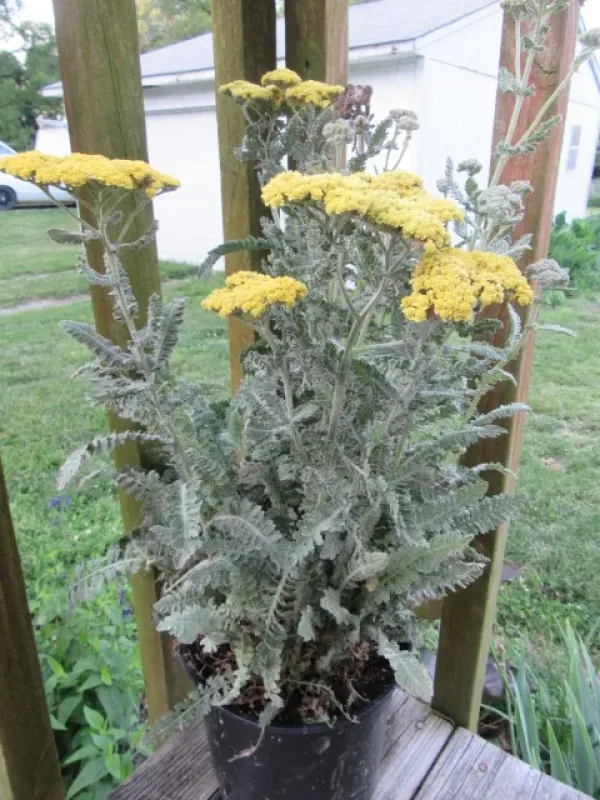
Description
Growing requirements
The hybrid of common yarrow and woolly yarrow (Achillea millefolium x A. tomentosa) is a perennial herbaceous plant belonging to the Asteraceae family. This hybrid combines the adaptive traits of its parents, resulting in a robust cultivar suitable for various landscaping and agricultural applications.
The plant thrives in full sun exposure and is highly adapted to dry climates. Due to its genetic makeup, it exhibits excellent drought tolerance, making it an ideal choice for xeriscaping or areas where irrigation is limited or not feasible.
Regarding soil requirements, this hybrid prefers well-draining, sandy, or rocky soils. It is remarkably indifferent to low-fertility conditions, often performing better in poorer soils than in nutrient-rich environments, which can lead to excessive, non-structural growth.
Botanically, the plant features fine-textured, pinnately divided, and often pubescent leaves that form dense, low-growing mats. The inflorescences are typical flat-topped corymbs, reflecting the aesthetic characteristics of the woolly yarrow, while the hardiness is inherited from the common yarrow.
In terms of хозяйственное (economic) use, the plant is primarily utilized as a ground cover to suppress weeds and prevent soil erosion. It is also gaining popularity in sustainable agriculture for its ability to provide pollen for beneficial insects, supporting local biodiversity.
Main diseases and pests
The most common threats to the health of this hybrid are related to poor soil drainage. Root rot and fungal pathogens frequently develop in damp conditions, particularly during the dormant season, which can compromise the plant's structural integrity.
Pests such as aphids and leaf miners are known to affect young vegetative growth during the spring season. While these infestations rarely kill the plant, they can significantly reduce the ornamental value and overall vigor of the hybrid specimens.
Powdery mildew is a common fungal threat when plants are grown in crowded conditions without adequate airflow. Preventive measures should focus on proper spacing during planting to ensure the leaves remain dry and well-ventilated, reducing the risk of spore germination.
Integrated Pest Management (IPM) practices are highly recommended for large-scale plantings. Monitoring for insect populations and using targeted biological control methods can mitigate the need for chemical interventions, keeping the environment balanced and healthy.
In addition to pathogens, weed management during the establishment phase is essential. While mature plants are vigorous competitors, young hybrids need a clean environment to develop their root systems without struggling against aggressive native weed species.