
Hybrid maple Acer platanoides × Acer truncatum
hybrids between Acer platanoides L. and Acer truncatum Bunge
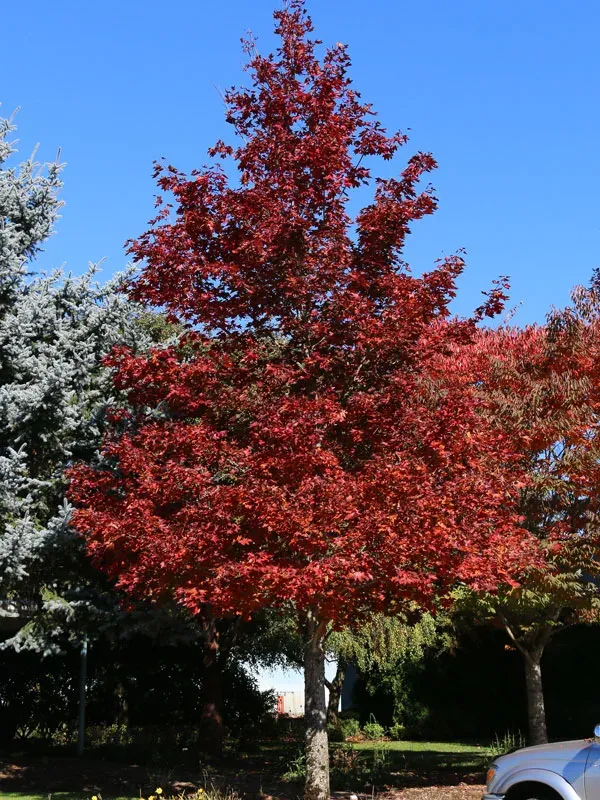
Description
Growing requirements
This hybrid, belonging to the Sapindaceae family, is a result of crossing Acer platanoides and Acer truncatum, designed to exhibit superior hardiness and aesthetic form.
The tree thrives in fertile, well-drained loamy soils and prefers a neutral or slightly acidic pH to ensure efficient nutrient uptake and healthy foliage development.
Environmental requirements include a location with ample sunlight, which promotes the development of a dense and symmetrical crown typical of the parent species.
Agrotechnical practices should focus on maintaining adequate moisture levels during the establishment phase, coupled with annual organic fertilization for optimal growth.
The species displays remarkable climate adaptability, demonstrating high tolerance to moderate winter frosts and urban environmental stressors common in temperate zones.
Main diseases and pests
The tree is susceptible to powdery mildew, especially in humid conditions with poor air circulation, which can cause significant aesthetic damage to the leaves.
Leaf spot diseases caused by various fungal pathogens may appear, necessitating timely fungicide applications to prevent premature leaf drop and tree stress.
Pest pressures primarily include aphids and leaf-eating insects that can compromise the tree's health if left untreated during the active growing season.
Stem and wood-boring pests pose a more serious threat to mature trees, often targeting individuals that are already stressed by drought or nutrient deficiencies.
Integrated pest management, including regular inspection and sanitation, is essential for maintaining the vigor and decorative value of the hybrid maple throughout the season.