
James galleta
Hilaria jamesii
Description
Growing requirements
James galleta (lat. Hilaria jamesii) is a perennial herbaceous plant belonging to the Poaceae family. In its natural habitat, this crop grows in the arid regions of western North America, serving as a critical component of steppe and desert ecosystems.
This species is characterized by high resistance to extreme temperatures and prolonged drought. The plant develops a robust root system consisting of creeping rhizomes, which allows it to successfully anchor in loose sandy or rocky soils.
The crop prefers well-drained soils with low salt content. It can withstand significant temperature fluctuations typical of continental climates and remains viable even with minimal precipitation.
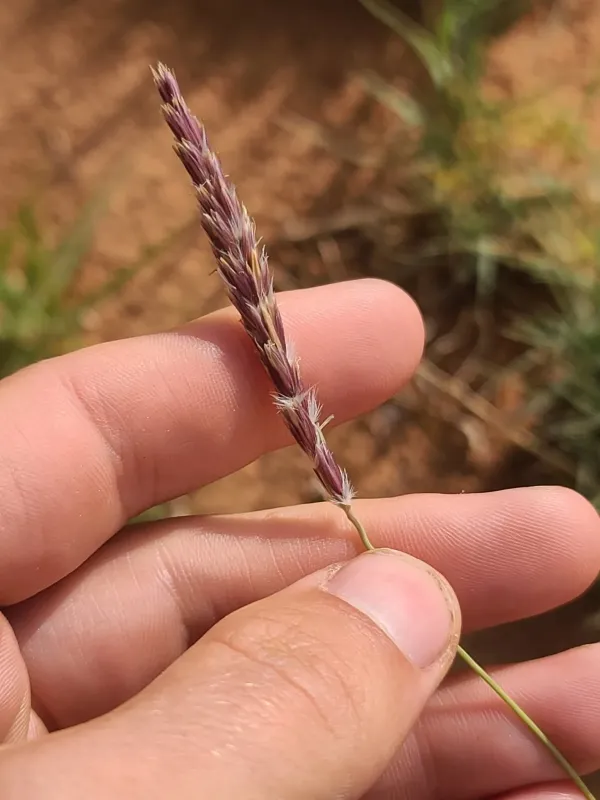
Botanically, James galleta features rigid, narrow leaves and spike-like inflorescences protected by characteristic scales. The plant propagates effectively both vegetatively via rhizomes and by seed, ensuring high survival rates in harsh environments.
Agricultural use of the species is primarily focused on the livestock grazing sector. The crop is valued for its palatability to livestock, particularly during early growth stages, and its ability to prevent soil erosion on degraded land.
Yield
The biomass yield of James galleta directly depends on the moisture levels of the season. In natural pasture conditions, its productivity is considered moderate but stable, even during unfavorable years.
When used for agricultural purposes on grazing lands, the crop provides high-quality forage during spring and early summer. The nutritional value remains high until the plant enters the active seed maturation phase.
Of particular importance to livestock is the plant's ability to store nutrients in its crown and roots during winter. This makes James galleta an essential component of the winter diet for grazing herds in arid climates.
To increase yields in seeded stands, moderate grazing management is recommended. Overgrazing can inhibit rhizome development and reduce the overall plant biomass in subsequent seasons.
Overall, the crop belongs to the category of low-yield but ecologically valuable species that help maintain land productivity in areas unsuitable for cultivating high-yield agricultural grasses.
Main diseases and pests
The main threats to James galleta stands are fungal diseases that develop during periods of high humidity. In arid conditions, the crop demonstrates a high degree of resistance to phytopathogens.
Pests affecting this species include insects that feed on plant sap during the active growing season. However, massive pest outbreaks on this crop are recorded very rarely due to its specific geographical range.
Excessive grazing pressure is the primary anthropogenic factor suppressing the development of the crop. Continuous trampling by livestock hinders vegetative reproduction and weakens the population.
Competition with invasive plant species can significantly reduce the habitat of James galleta. Fast-growing weeds are capable of displacing this slow-growing grass if soil conditions shift towards higher moisture levels.
To combat these threats, monitoring of the stand condition and strict rotational grazing management are recommended, allowing the plant to recover its vitality after grazing.