
Heterotis canescens
Heterotis canescens
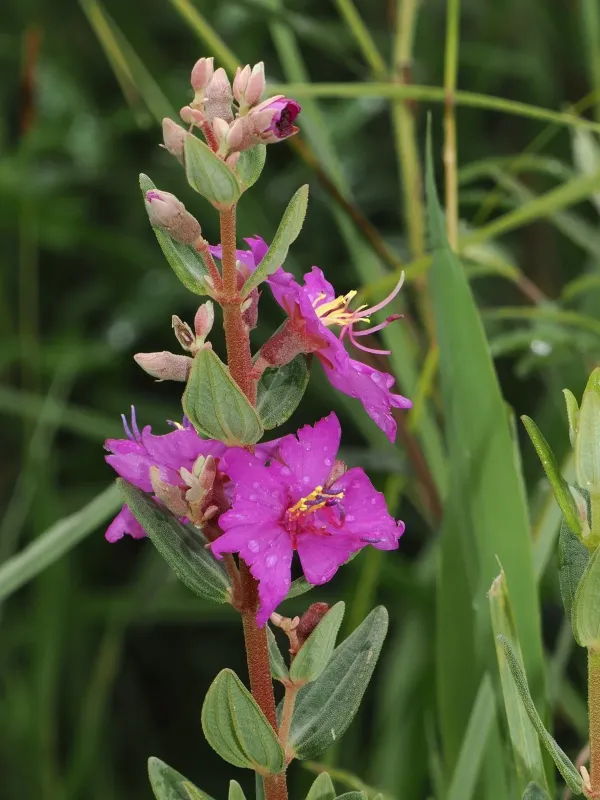
Description
Growing requirements
Heterotis canescens is a robust perennial plant belonging to the Melastomataceae family. Native to tropical Africa, this species is highly regarded for its biological properties and its adaptation to diverse ecological niches within its natural range.
The plant exhibits distinct botanical features, including characteristic opposite leaves and vibrant inflorescences. Its growth habit allows it to function effectively in both open savanna landscapes and forest margins, showcasing strong adaptive potential.
Regarding climatic requirements, Heterotis canescens thrives in warm, tropical conditions. While it is naturally drought-tolerant, consistent moisture levels during the growing season significantly enhance biomass production and overall plant vigor.
Soil requirements for the successful cultivation of this crop include well-draining substrates. It prefers soils with moderate nutrient availability but is notably resilient in marginal or depleted soils, which makes it an ideal candidate for sustainable tropical agriculture.
The agricultural usage of Heterotis canescens is primarily linked to its medicinal applications in traditional practices. Ongoing research continues to highlight the economic potential of this crop as a source of bioactive compounds for pharmaceutical and herbal industries.
Main diseases and pests
The primary threats to Heterotis canescens include fungal pathogens that emerge under conditions of poor ventilation and excessive soil moisture. Root rot is a significant concern that can lead to rapid decline if drainage management is neglected.
Pests such as aphids and spider mites are frequently observed attacking the soft tissues of the leaves. These infestations can weaken the plant and reduce the quality of the harvested material, necessitating careful pest management strategies.
Environmental stress, such as extreme temperature fluctuations, can also predispose the crop to infections. Implementing a balanced fertilization schedule helps maintain the plant's natural defense mechanisms against common environmental pressures.
Weed competition remains a critical challenge during the establishment phase of the crop. Manual or mechanical weeding is essential to ensure that Heterotis canescens receives sufficient access to sunlight and soil nutrients.
Integrated pest management (IPM) practices, including the use of biological controls, are recommended for maintaining healthy crops. By ensuring proper spacing between plants, farmers can significantly reduce the risk of humidity-related disease outbreaks.