
Heterotis antennina
Heterotis antennina
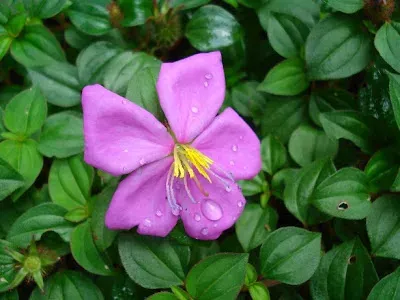
Description
Sowing dates
The sowing of this crop is primarily carried out in protected ground or specialized nurseries. The optimal timing is the beginning of the spring season when stable high temperatures are established.
Seeds require surface distribution on a moist substrate without deep incorporation. For successful germination, it is necessary to maintain high air humidity and a constant temperature range of 22–25 degrees Celsius.
An important condition at the initial stage is the use of loose, air-permeable soil based on peat and sand. The use of special growth stimulants can significantly accelerate seed germination.
Once seedlings reach the two-to-three true leaf stage, mandatory transplanting into individual containers is performed. This prevents competition between plants and promotes the development of a powerful root system.
Transplanting grown seedlings into the main field is carried out only after full adaptation to external conditions and when the risk of even brief cold snaps has passed.
Growing requirements
Heterotis antennina belongs to the Melastomataceae family and is a typical representative of the flora in tropical and subtropical regions of Africa. The crop has high requirements for light levels, preferring diffused but bright light.
Optimal soil conditions for the plant are slightly acidic or neutral, well-drained soils rich in organic matter. Waterlogging is detrimental to the root system of this species.
The plant is extremely sensitive to sudden changes in air humidity, so regular misting is recommended in regions with dry climates. Systematic moderate watering is required during the active growing season.
The temperature regime must be stably warm without significant fluctuations. Critical values below 15 degrees Celsius can lead to a slowdown in metabolic processes and general suppression of the crop.
For intensive growth, it is recommended to apply complex mineral fertilizers with low chlorine content, which will ensure complete plant nutrition during the vegetation period.
Main diseases and pests
Common threats to Heterotis antennina include fungal infections caused by excessive humidity and poor ventilation. Proper drainage is crucial to prevent root rot and other soil-borne diseases.
Insect pests, such as spider mites or aphids, can be problematic in dry environments. Monitoring the underside of leaves for signs of infestation is essential for timely intervention.
Nutrient deficiencies, particularly iron or manganese, may manifest as chlorosis on the leaves if the soil pH is not maintained within the optimal range.
Preventive measures include regular sanitization of the growing area and ensuring adequate spacing between plants to improve airflow.
In case of severe pest outbreaks, the use of biological control agents or targeted pesticides is recommended to protect the crop without damaging its sensitive tissues.
Harvesting
The economic use of Heterotis antennina is mainly directed towards ornamental purposes and landscaping in regions with suitable climates. Harvesting of vegetative mass or seed material is performed upon reaching biological maturity.
Collection of seed pods is carried out manually after they acquire a characteristic brown hue. This allows minimizing losses and ensuring high-quality seed maturation.
When used as an ornamental crop, regular pruning is a form of care that promotes the formation of a compact and dense crown.
Storage of harvested material requires dry, cool rooms with good ventilation to prevent the development of mold fungi.
Harvesting dates for seed production are strictly individual and depend on the geographic latitude and the length of the daylight hours in a specific season.