
Hesperaloe campanulata
Hesperaloe campanulata G. Starr
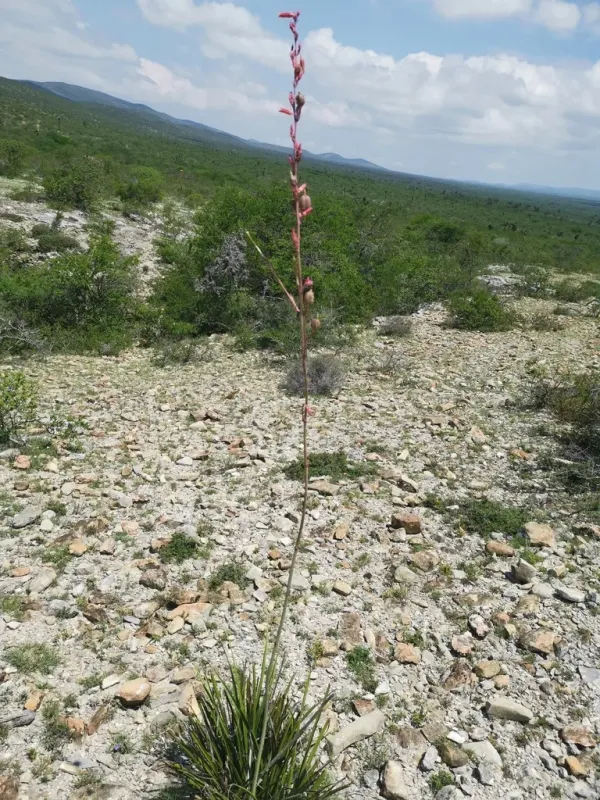
Description
Growing requirements
Hesperaloe campanulata is a perennial succulent belonging to the Asparagaceae family. Native to the arid landscapes of Mexico, this species is highly specialized for survival in harsh, dry environments with high thermal intensity.
Botanically, it features a rosette of tough, evergreen foliage and distinct, bell-shaped flowers that appear on tall stalks. These inflorescences are its primary aesthetic value, making it a desirable plant for xeriscaping and sustainable gardening.
The culture thrives in well-draining, gritty, or sandy soils. Excellent drainage is non-negotiable; even brief periods of waterlogging in the root zone can cause irreversible physiological damage to the plant.
Full sun is an essential requirement for Hesperaloe campanulata. It requires at least 6–8 hours of direct sunlight daily to maintain its compact shape, structural integrity, and to stimulate the initiation of the flower spike.
Climate-wise, it prefers hot, arid conditions. While it is hardy once established, young transplants require supplemental irrigation to settle into the soil. Once the root system is mature, it exhibits impressive tolerance to prolonged droughts.
Main diseases and pests
Fungal diseases are the primary threat to the health of this species. Most infections originate from saturated soil conditions, leading to root rot that can quickly decimate the entire plant if not addressed early.
Pests such as mealybugs and scale insects may infest the foliage, particularly the base of the leaves where moisture accumulates. Regular inspection of these areas is recommended to catch infestations before they spread.
Poor air circulation increases the risk of fungal pathogens. Planting in exposed, airy locations helps mitigate the moisture levels around the foliage, effectively reducing the risk of rot and opportunistic infections.
Using improper fertilizers can lead to weak, elongated growth that is more susceptible to both pests and physical damage. It is best to use low-nitrogen mineral fertilizers sparingly during the active growing season.
Maintaining a dry mulch layer, such as coarse gravel or pumice, around the base of the plant is a critical cultural practice. This layer prevents foliage contact with soil moisture and significantly lowers the likelihood of common diseases.