
Heliconia xanthovillosa
Heliconia xanthovillosa
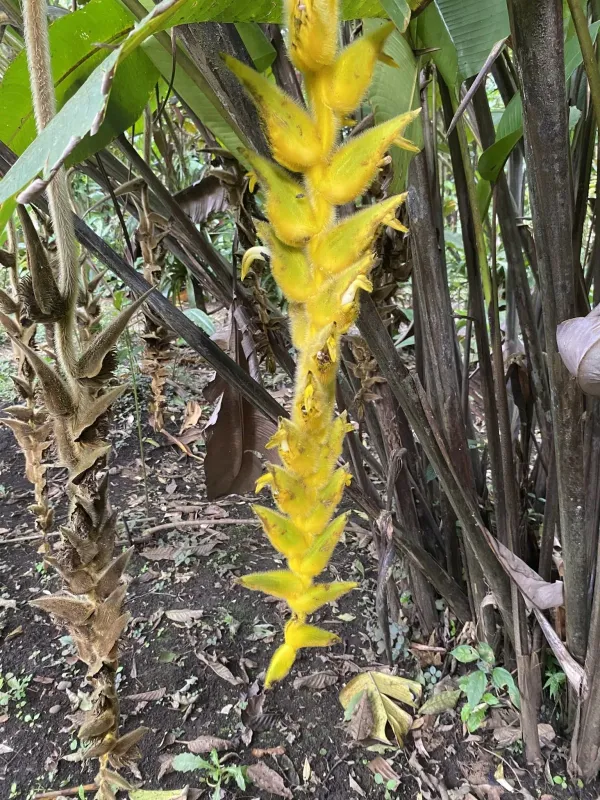
Description
Growing requirements
Heliconia xanthovillosa is a tropical perennial plant belonging to the Heliconiaceae family. Renowned for its striking, hair-covered inflorescences, this species originates from the rainforests of Central and South America, where it thrives in humid and warm environments.
Successful cultivation requires soil that is rich in organic matter and highly porous to ensure efficient water drainage. Heliconia xanthovillosa is susceptible to root rot, so maintaining a balance between moisture and soil aeration is essential for optimal growth.
Temperature management is critical for this species, as it is strictly tropical and cannot withstand cold conditions. A temperature range between 22 and 28 degrees Celsius is ideal, while protection from wind and sudden temperature drops is mandatory for greenhouse production.
Lighting requirements are specific, as the plant prefers bright, filtered light. Exposure to direct, intense sunlight can lead to leaf scorching, while insufficient light will inhibit the development of vibrant inflorescences and reduce the overall yield of the cut flower.
Agricultural practices involve regular fertilization with balanced NPK formulas, supplemented by trace elements. Consistent moisture levels must be maintained through a reliable irrigation system, ensuring the substrate remains damp but never waterlogged throughout the growing cycle.
Main diseases and pests
The primary pests affecting this crop include spider mites, mealybugs, and scale insects. These pests tend to colonize the undersides of leaves and the base of the inflorescences, necessitating close monitoring and the use of targeted biological or chemical control agents.
Fungal pathogens such as Fusarium and Pythium are significant threats, especially in controlled environments with high humidity. Proper crop hygiene, including the removal of dead tissue and sterilization of growing containers, is vital to prevent outbreaks.
Leaf spot diseases can also occur if air circulation is inadequate. Ensuring that plants are spaced correctly and providing sufficient ventilation within the greenhouse helps to maintain a dry foliage surface, which inhibits fungal spore germination.
Integrated Pest Management (IPM) strategies are highly recommended for large-scale operations. Utilizing beneficial insects to control pest populations minimizes the need for chemical intervention, which is better for the health of the plant and the surrounding ecosystem.
Regular inspection of the root system is essential to detect early signs of stress. If a plant shows symptoms of stunted growth or chlorosis, immediate adjustment of the watering schedule or the application of fungicides may be necessary to recover the crop.