
Heliconia wagneriana
Heliconia wagneriana
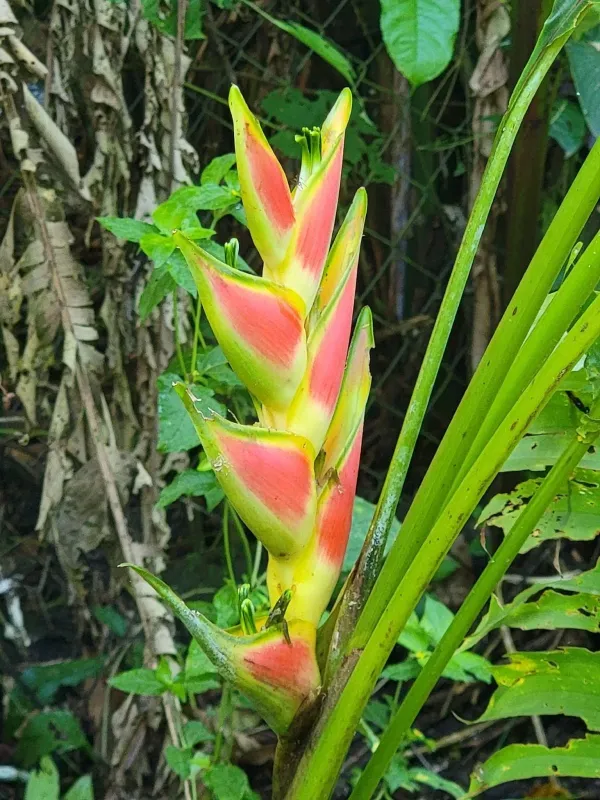
Description
Sowing dates
In commercial production, Heliconia wagneriana is primarily propagated vegetatively through the division of rhizomes. The optimal time for this procedure is at the beginning of the active growing season, once soil temperatures stabilize above 20°C.
Seed propagation is less common due to the long germination period, which can take several months and requires mandatory preliminary scarification of the seed coat.
Preparation of the rhizome cuttings takes place in specialized greenhouses with controlled microclimates, where high substrate humidity is maintained to prevent the cut surfaces from drying out.
It is important to select only healthy, well-developed rhizome fragments that possess at least one fully formed growth bud for planting.
To accelerate root development, it is recommended to use light, well-aerated peat-based substrates amended with perlite when planting.
Growing requirements
Heliconia wagneriana is a tropical perennial of the Heliconiaceae family, native to Central and South America. It requires consistently high temperatures, with daytime levels ideally between 25–30°C.
The plant is highly sensitive to light: for proper bract formation, it requires bright, indirect light, as direct midday sun can cause scorching of the leaf blades.
The soil environment should be slightly acidic to neutral, possessing high water-holding capacity and excellent drainage, as waterlogging is detrimental to the root system.
Air humidity is a critical factor and should be maintained at a level of at least 70–80%, which is achieved using fogging systems in greenhouse environments.
The crop reacts sharply to sudden temperature fluctuations and cold drafts, which can lead to bud drop and significant delays in growth processes.
Yield
The economic value of this crop lies in the production of decorative inflorescences, which are highly prized in floriculture for their unique shape and exceptional longevity as cut flowers.
Under correct agronomic management, a single plant is capable of producing multiple flower stalks during a single growing season.
Yield is measured by the number of marketable inflorescences ready for sale, which can maintain freshness in a vase for up to 2–3 weeks with proper post-harvest handling.
Flowering intensity depends directly on the level of mineral nutrition, specifically the regular application of complex fertilizers with increased potassium and phosphorus content.
Maximum productivity levels are typically reached in the 2nd or 3rd year of the plant's life, once the rhizome has expanded sufficiently to support a robust clump.
Main diseases and pests
The primary pests affecting Heliconia plantations are spider mites and mealybugs, which thrive in conditions of high humidity and heat.
Fungal infections, such as root rot and leaf spot, develop when irrigation schedules are ignored or when there is poor air circulation within the greenhouse.
To prevent infestation, it is necessary to regularly inspect the plants and remove damaged parts, while maintaining strict hygiene protocols for all tools.
Implementing preventive treatments with systemic insecticides and fungicides allows for a significant reduction in the risk of pathogen outbreaks.
Controlling the pH level of the substrate is vital, as deviations from the optimal range make the plants more susceptible to physiological disorders and pest attacks.
Harvesting
The harvest of inflorescences is conducted when the bracts are fully colored but before the small true flowers, located inside the "boats," have opened.
To extend the life of cut flowers, the stems should be cut with a sharp, disinfected knife at an angle and immediately placed into containers with clean, room-temperature water.
After harvesting, the product should be stored in a cool environment with high humidity, avoiding exposure to direct sunlight or ethylene sources.
Transportation must be carried out in a vertical position to prevent deformation of the heavy inflorescences and damage to their delicate waxy coating.
Timely harvesting stimulates the plant to set new buds and ensures a longer period of overall decorative appeal for the entire plantation.