
Heliconia vellerigera
Heliconia vellerigera
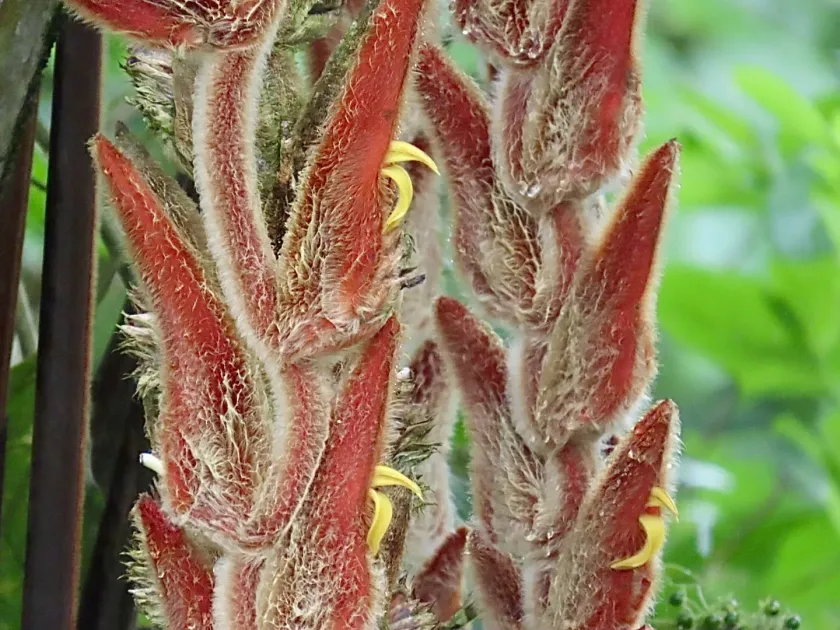
Description
Sowing dates
Heliconia vellerigera is primarily propagated through vegetative division of the rhizomes, as seed propagation is complex and often impractical for large-scale production.
The optimal time for transplanting divisions is early spring, which marks the start of the plant's active growing season after its winter dormancy.
Proper drainage is essential at the time of planting to prevent water stagnation around the rhizomes, which is a common cause of failure in newly established plants.
Maintaining a stable temperature range between 22 and 25 degrees Celsius during the establishment phase is critical for robust root development.
The application of root-promoting hormones on rhizome cuts before potting is highly recommended to increase the success rate of propagation.
Growing requirements
Belonging to the Heliconiaceae family, this species is native to the humid tropical rainforests of South America, necessitating specific environmental controls.
The crop requires consistently high air humidity, making greenhouse cultivation with automated misting or irrigation systems necessary for commercial success.
The growing medium must be well-draining, rich in organic matter, and maintain a slightly acidic to neutral pH balance for optimal nutrient uptake.
The plant is highly sensitive to drafts and sudden temperature drops, which can cause significant stress and hinder the development of the foliage.
Bright but filtered light is required, as direct sunlight can easily scorch the broad, lush leaves, reducing the aesthetic and commercial value of the crop.
Yield
The primary economic focus for Heliconia vellerigera is the production of high-quality cut flowers, which are prized for their longevity and vibrant coloration.
In well-managed greenhouse conditions, a mature plant can produce between 3 to 5 inflorescences annually, depending on the cultivar and care level.
Yield efficiency is closely linked to the age of the rhizome mass, with the most productive output typically achieved by plants 2 to 5 years of age.
Intensive nutritional management, focusing on balanced potassium-heavy fertilizers, is essential to maximize both the size and frequency of flower production.
Maintaining a stable, stress-free microclimate is the most effective way to ensure a consistent harvest schedule throughout the growing season.
Main diseases and pests
Common pests include spider mites and scale insects, which tend to proliferate rapidly in environments where humidity is not strictly controlled.
Root rot caused by fungal pathogens is a frequent threat, often occurring when the soil is kept too wet and lacks sufficient aeration.
Integrated pest management, including regular preventative applications of systemic insecticides, is recommended to keep pest populations below the threshold of damage.
Maintaining high hygiene standards in the greenhouse, including cleaning tools and removing decaying leaves, significantly reduces the risk of disease spread.
Monitoring for signs of chlorosis or leaf spot allows for early intervention through climate adjustment or the targeted use of systemic fungicides.
Harvesting
Harvesting is performed when the bracts are fully developed and colored, but before the true flowers within the inflorescence begin to shed.
Flowers should be cut during the cooler parts of the day using sanitized shears, leaving a portion of the stem intact for continued plant health.
Immediately after cutting, stems must be placed in clean, fresh water to prevent air embolisms that can reduce the vase life of the flowers.
Due to the size and delicate nature of the inflorescences, careful packaging is required during transport to prevent bruising or mechanical damage.
Storage of cut stems is best managed at 12–15 degrees Celsius, allowing the product to retain its ornamental quality for up to two weeks post-harvest.