
Heliconia standleyi
Heliconia standleyi
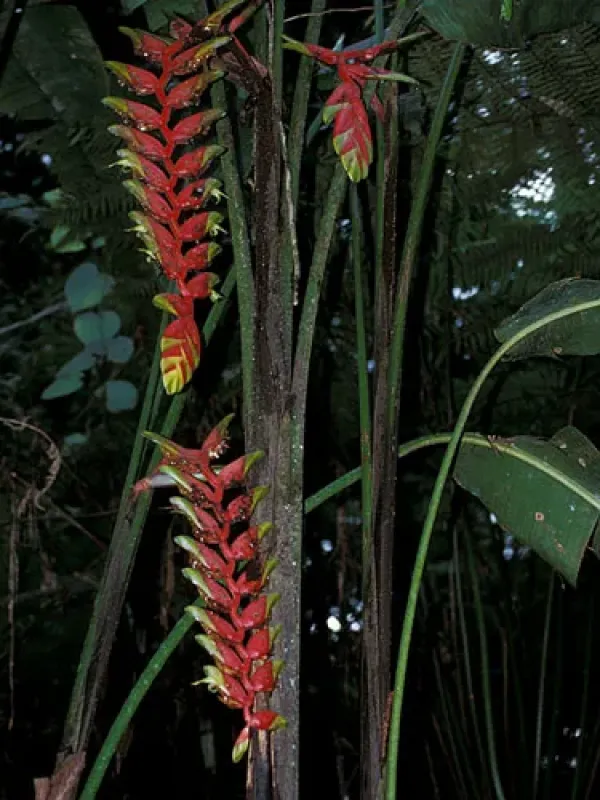
Description
Growing requirements
Heliconia standleyi is a perennial herbaceous plant belonging to the Heliconiaceae family. It is native to the tropical rainforests of Central and South America, where it thrives in humid, shaded environments.
The plant requires a warm climate with temperatures strictly between 20°C and 28°C. Cold stress can cause permanent damage to the foliage and inhibit the formation of inflorescences, making greenhouse conditions ideal.
The growing medium must be rich in organic matter, slightly acidic, and well-draining. Adding perlite or coarse sand to the potting mix helps prevent soil compaction and ensures optimal root respiration.
Regarding light, Heliconia standleyi needs bright, filtered light. While it can tolerate some morning sun, full tropical sun in the afternoon often leads to leaf scorch and dehydration.
Regular fertilization is essential during the active growing season using a balanced liquid fertilizer. Consistent soil moisture should be maintained, avoiding both prolonged drought and waterlogged conditions.
Main diseases and pests
Spider mites are the most common pests, especially in environments where humidity levels are not properly managed, leading to leaf discoloration and stunted growth.
Mealybugs and scale insects also present significant risks. These pests suck sap from the stem and underside of the leaves, often requiring systematic insecticidal treatments.
Root rot caused by Phytophthora or Pythium species is a major concern when drainage is inadequate or when the plant is overwatered during colder periods.
Maintaining high hygiene standards in the greenhouse, such as removing fallen leaves and sterilizing pots, is crucial for preventing fungal outbreaks.
Integrated pest management (IPM) practices, including the introduction of natural predators, are recommended for large-scale production to minimize chemical reliance.
Harvesting
Heliconia standleyi is primarily grown for the floral industry, where its unique, claw-like bracts are highly valued for creating exotic bouquets and large-scale decorative installations.
Harvesting is typically performed in the early morning or late afternoon when transpiration rates are lower, ensuring longer vase life for the cut inflorescences.
The stems must be cut cleanly at an angle to maximize water uptake. It is recommended to submerge the stems in water immediately after cutting to prevent air bubbles from forming in the xylem.
Post-harvest storage requires specific temperature regulation, usually between 12°C and 15°C, to maintain freshness and color vibrancy during international logistics.
The aesthetic appeal and longevity of the cut flowers make this species a profitable crop for tropical flower farmers serving high-end markets.