
Heliconia spissa
Heliconia spissa
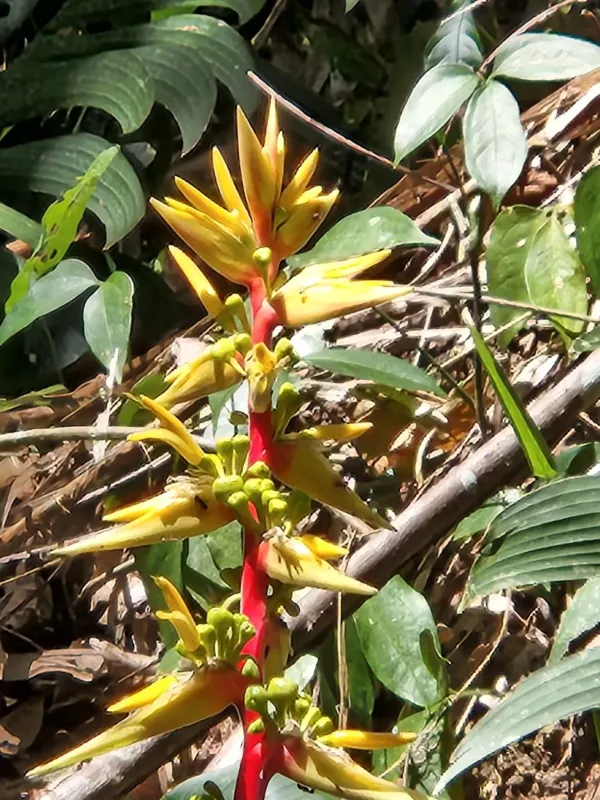
Description
Growing requirements
Heliconia spissa is a prominent member of the Heliconiaceae family, known for its striking architectural foliage and vibrant inflorescences. This perennial plant is highly valued for its ornamental appeal in both landscape design and floral industry.
Originating from the tropical regions of Central America, this plant thrives in warm and humid environments. It requires a stable climate where the temperature remains consistently above 15 degrees Celsius throughout the year to ensure optimal development.
The cultural requirements for Heliconia spissa include nutrient-rich, well-draining soil. It is crucial to maintain high soil fertility by incorporating organic matter and ensuring that the drainage system prevents waterlogging of the rhizomes.
In terms of light management, this plant prefers filtered sunlight or partial shade. Excessive exposure to direct sunlight can damage the leaves, while insufficient light can significantly hinder the blooming process and reduce overall vigor.
The main commercial utility of Heliconia spissa lies in the production of high-quality cut flowers for the international market. Its ability to maintain its decorative form for an extended period makes it a premium choice for exotic floral arrangements.
Main diseases and pests
Pathogenic threats such as fungal infections are common in humid tropical cultivation, especially when airflow is restricted. Regular monitoring and proper spacing between plants are essential to mitigate the risk of mold and bacterial rot.
Pests like spider mites and mealybugs can pose a significant threat to Heliconia spissa, especially in indoor or greenhouse settings. Effective management strategies involve monitoring the underside of leaves and utilizing selective acaricides or systemic insecticides when necessary.