
Heliconia schiedeana
Heliconia schiedeana
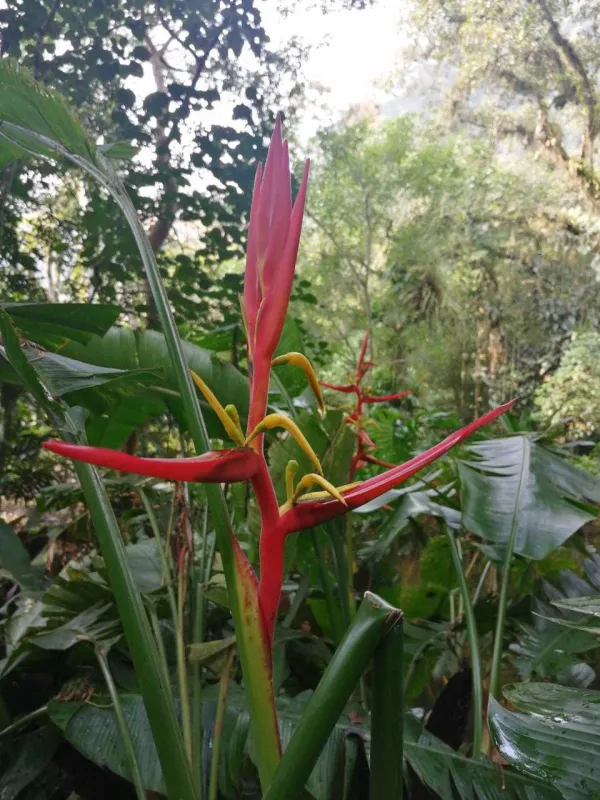
Description
Sowing dates
Propagation of Heliconia schiedeana is most effectively achieved through the division of rhizomes, ensuring the genetic stability of the resulting plants.
The optimal time for planting is during the active growing season, provided that soil temperatures remain consistently above 20°C for successful rooting.
Seed propagation is possible but requires scarification and soaking to overcome the dormancy induced by the hard protective endocarp of the seeds.
When starting from seeds, use a well-draining, loose medium and maintain high temperatures around 25°C to facilitate uniform germination rates.
Young plants or divided rhizomes should be treated with appropriate soil fungicides to prevent damping-off diseases during the establishment phase.
Growing requirements
Heliconia schiedeana is a member of the Heliconiaceae family, natively distributed across the tropical regions of Mexico and Central America.
The crop thrives in environments with high ambient humidity, ideally between 70% and 80%, necessitating misting systems in indoor agricultural settings.
Light requirements are substantial; however, the plant prefers bright, filtered sunlight to avoid leaf scorch while maximizing photosynthetic efficiency.
Soil structure should be porous and rich in organic matter, with a pH ranging from slightly acidic to neutral to ensure optimal nutrient uptake.
Temperatures must be kept within the tropical range, as the plant is highly sensitive to cold and can suffer physiological damage below 15°C.
Main diseases and pests
Root rot is the primary threat to Heliconia schiedeana, typically caused by waterlogged soil conditions and poor drainage management in the container.
Spider mites represent a major pest risk, especially in dry greenhouse environments, leading to leaf discoloration and a general decline in plant health.
Scale insects can infest the stems and leaves, extracting plant sap and potentially promoting the growth of sooty mold on the foliage surface.
Integrated pest management, including the use of horticultural oils and systemic insecticides, is recommended to keep pest populations below economic thresholds.
Proper hygiene, such as removing dead foliage and maintaining consistent air circulation, is crucial in preventing fungal and bacterial outbreaks.
Harvesting
Harvesting for the cut flower market occurs when the bracts show vibrant coloration, ensuring the product meets aesthetic standards for durability.
Professional harvesting protocols involve using disinfected shears to make clean, angled cuts at the base of the peduncle to prevent rot at the wound site.
Post-harvest care involves immediately placing stems in clean water and keeping them in a temperature-controlled environment to prevent premature wilting.
Grading of the inflorescences is performed based on stem length, symmetry of bracts, and overall color intensity to optimize market value for export.
Continuous monitoring of the harvest cycle allows producers to forecast yield peaks and adjust nutrient management during the pre-flowering stage.