
Heliconia sarapiquensis
Heliconia sarapiquensis
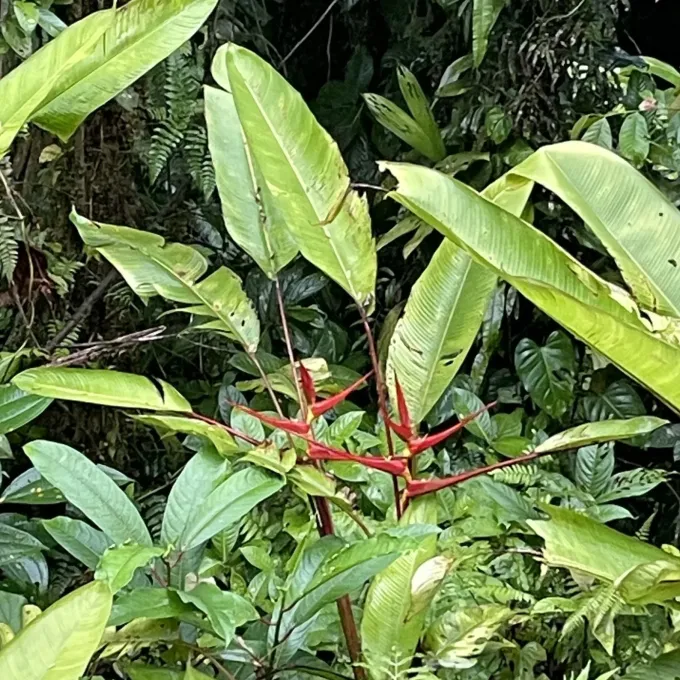
Description
Growing requirements
Heliconia sarapiquensis is a magnificent member of the Heliconiaceae family, native to the humid rainforests of Central America, thriving particularly well in the Sarapiqui region of Costa Rica.
The plant grows from stout underground rhizomes, producing large, paddle-shaped leaves that can reach substantial heights, making it an excellent candidate for large-scale greenhouse cultivation.
Optimal growth requires high ambient temperatures ranging from 22 to 28 degrees Celsius, combined with high relative humidity to mimic its natural tropical forest environment throughout the year.
The ideal growing medium must be highly fertile, well-draining, and rich in organic matter, typically composed of a blend of peat moss, composted bark, and perlite for consistent aeration.
Regular fertilization is necessary for sustained flower production, requiring a balanced NPK ratio with added micronutrients to prevent chlorosis and support the development of vibrant floral bracts.
Main diseases and pests
Spider mites are the most prevalent pests in greenhouse conditions, often causing visible stippling and webbing on the underside of leaves when the air humidity drops below critical levels.
Mealybugs can also infest the plant, hiding in the tight spaces between leaf sheaths and bracts, which necessitates careful physical removal or the use of targeted systemic insecticides.
Root and crown rot are frequent issues caused by poor drainage or overwatering, leading to rapid decay of the rhizome system and irreversible decline of the entire individual plant.
Fungal leaf spot diseases may appear during periods of poor ventilation, necessitating improved air circulation and the occasional use of copper-based or systemic fungicides.
Implementing an Integrated Pest Management (IPM) program is essential for maintaining crop health while minimizing the environmental impact of chemical treatments in a protected culture.
Harvesting
The main commercial value of Heliconia sarapiquensis lies in its long-lasting, architecturally unique inflorescences, which are highly sought after in the international cut flower market.
Harvesting is performed when the waxy bracts are fully developed and display their characteristic coloration, ensuring optimal shelf life and visual appeal for end customers and floral designers.
Cutting should be performed with sanitized, sharp shears to minimize physical stress on the rhizome and to prevent the entry of pathogens into the cut stem tissue.
Immediate post-harvest cooling is required to reduce the metabolic rate of the flowers, ensuring they remain in peak condition during storage and long-distance shipping processes.
With proper care and water quality management, these cut stems serve as durable focal points in professional floral arrangements, offering longevity that surpasses many other tropical blossoms.