
Heliconia pogonantha
Heliconia pogonantha
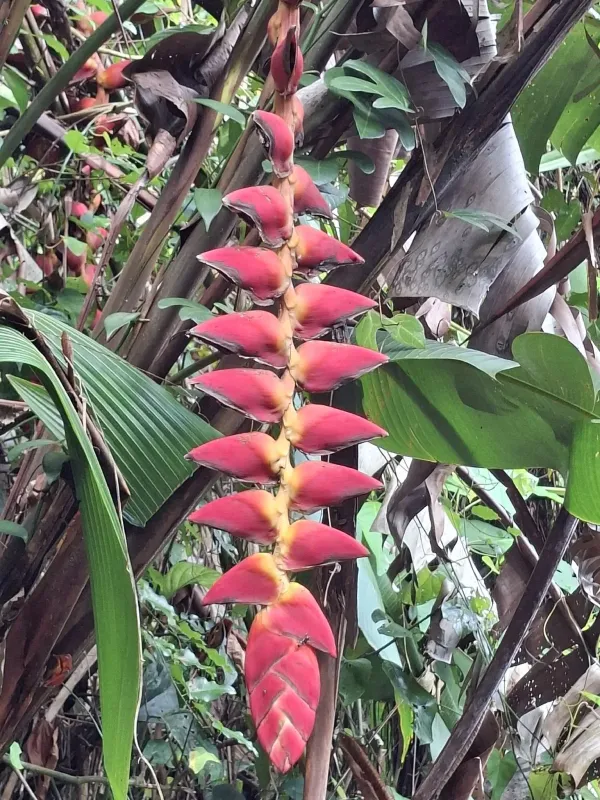
Description
Sowing dates
Propagation of Heliconia pogonantha is primarily achieved through rhizome division. This vegetative method ensures that the offspring remain identical to the parent plant, maintaining the consistency of flower quality and color.
The ideal planting time for these rhizomes is the start of the wet season when soil temperatures remain consistently above 20°C. In controlled environments like greenhouses, planting can occur year-round with appropriate heat regulation.
Rhizomes should be planted at a depth of 10–15 cm, spaced widely, usually about 1.5 to 2 meters apart. This spacing is vital to accommodate the plant's robust lateral growth and to ensure adequate airflow between mature foliage.
When starting from seeds, which is less common in commercial operations, the process requires scarification and warm, humid stratification. Germination can take several months, demanding patience and constant moisture control.
Proper bed preparation is essential for successful planting, requiring loose, nutrient-rich, and well-draining soil to prevent the rhizomes from rotting immediately after being set in the ground.
Growing requirements
Heliconia pogonantha thrives in tropical conditions, requiring high temperatures (20–30°C) and substantial humidity. It is highly sensitive to cold, and exposure to temperatures below 15°C can cause severe physiological stress.
Soil requirements focus on high organic matter content and excellent drainage. The plant prefers acidic to neutral soils; however, it absolutely cannot tolerate waterlogged conditions, which lead to root rot.
Partial shade is the preferred lighting condition for this species. Intense, direct sunlight often causes leaf scorching and fades the vibrant colors of the bracts, reducing their market value as cut flowers.
Regular fertilization with a balanced NPK fertilizer is necessary to support the plant's rapid growth cycle. Potassium-rich supplements are especially beneficial during the development of flower spikes.
Watering must be frequent but managed. Drip irrigation systems are highly recommended to keep the root zone consistently moist without causing saturation of the surrounding soil.
Yield
The yield of Heliconia pogonantha is measured by the number of high-quality inflorescences per plant. A healthy, mature plant can produce several flower spikes throughout its growing season.
Commercially, a planting site remains productive for 5–7 years before the density of rhizomes necessitates replanting or division. This longevity makes it an efficient crop for sustainable flower farming.
Quality control is strictly based on the appearance of the bracts. Only those with vibrant, intact, and perfectly shaped inflorescences are considered marketable, meeting the high standards of the floral industry.
Proper post-harvest handling significantly extends the vase life of these flowers, allowing them to remain fresh for up to three weeks, which enhances the crop's profitability and transport potential.
Through careful management of light levels and nutrient intake, farmers can optimize the timing of the flowering cycle to coincide with peak market demand, thereby maximizing total annual yield.
Main diseases and pests
The most common pests affecting Heliconia pogonantha include spider mites, aphids, and mealybugs. These insects sap nutrients from the leaves and developing flowers, often causing visible deformities.
Fungal pathogens such as leaf spot (Septoria) are prevalent in high-humidity environments. Maintaining proper plant spacing and ensuring good ventilation are key strategies to prevent the spread of these fungi.
Root-knot nematodes can pose a significant challenge, especially in sandy soils. Implementing crop rotation and using sterile substrate are effective ways to mitigate the risk of nematode infestation.
Proactive monitoring is essential for early detection. Integrated Pest Management (IPM) practices, including the use of biological controls, are preferred over broad-spectrum pesticides to preserve the ecosystem.
Sanitation practices, such as the removal of dead leaves and the sterilization of pruning tools, are vital to keeping the plantation free from viral and bacterial infections that could jeopardize the entire crop.
Harvesting
Harvesting should be performed manually using sharp, sterile shears. A clean, angled cut is necessary to promote healing at the harvest site and prevent secondary infections on the remaining rhizome.
The optimal stage for harvest is when the first few bracts have fully opened. Cutting too early or too late will negatively affect the visual quality and the longevity of the flower in a vase.
Immediate post-harvest cooling and hydration are crucial. The cut stems must be placed in clean water to prevent air embolisms that can block the transport of water and nutrients within the stem.
Grading and packaging are the final steps before shipment. Each stem is inspected for blemishes and packaged with care to prevent any damage to the delicate, vibrant bracts during transport.
Following the harvest, the plantation requires systematic cleanup of spent flowering stalks. This practice not only keeps the site organized but also reduces the habitat for potential pests and diseases.