
Heliconia pendula
Heliconia pendula
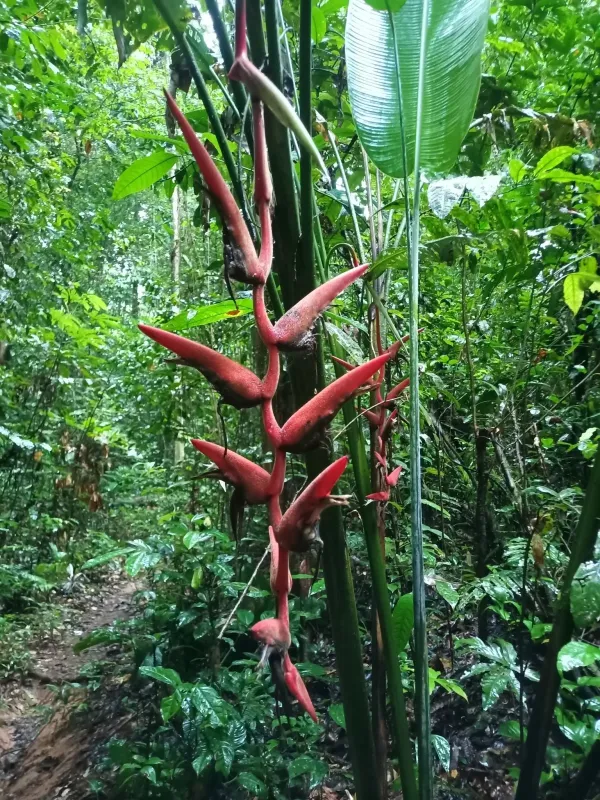
Description
Growing requirements
Heliconia pendula is a perennial herbaceous plant belonging to the Heliconiaceae family, native to the tropical rainforests of Central and South America. In its natural habitat, it thrives in humid, shaded areas with loose, fertile soil rich in organic matter.
For successful commercial cultivation of this crop, it is necessary to maintain a consistently high ambient temperature, which should not drop below 18-20°C (64-68°F), even at night. The optimal range for active growth is 22–28°C.
The crop is highly demanding regarding substrate and air humidity levels, which must remain at at least 70–80%. The soil mix must have a neutral or slightly acidic pH and excellent drainage capacity to prevent water stagnation in the root zone.
Lighting should be bright but strictly diffused, as direct sunlight causes leaf burns. In regions with short daylight hours, the use of supplemental artificial lighting is recommended to stimulate flowering.
Agronomic practices include regular application of complex mineral fertilizers during the active growing season. Formulations with higher potassium and phosphorus content are preferred to support the development of large, vibrant inflorescences.
Main diseases and pests
The primary threat to Heliconia plantations is posed by sucking pests such as spider mites and mealybugs, which multiply rapidly under conditions of high humidity and temperature.
Root and stem rots are the most common diseases, usually resulting from improper irrigation schedules or poor soil aeration. Strict hygiene when handling tools is essential for disease prevention.
Thrips can also damage the ornamental parts of the plant by leaving characteristic spots on the bracts, which significantly reduces the market value of the cut flowers.
Nematodes affecting the root system require periodic substrate disinfection or the use of resistant areas if the crop is grown in ground beds.
To combat diseases and pests, it is recommended to use systemic fungicides and insecticides, alternating chemical classes to prevent the development of pathogen resistance.
Harvesting
Harvesting of Heliconia inflorescences is carried out once the bracts are fully colored and have reached their target size. Cutting is performed using sharp, sanitized tools.
The best time for harvesting is early morning or late evening, when the plant has its maximum moisture content, which extends the vase life of the cut flower.
Immediately after harvest, the produce requires cooling and transportation in specialized containers to prevent damage to the delicate tissues of the bracts.
The commercial shelf life of Heliconia pendula cut flowers is relatively long, provided that strict temperature control (approximately 13–15°C) is maintained during storage.
When planning the harvest, it is crucial to monitor the plant's development phase to ensure the plant is not exhausted before the next flowering cycle.