
Heliconia orthotricha
Heliconia orthotricha
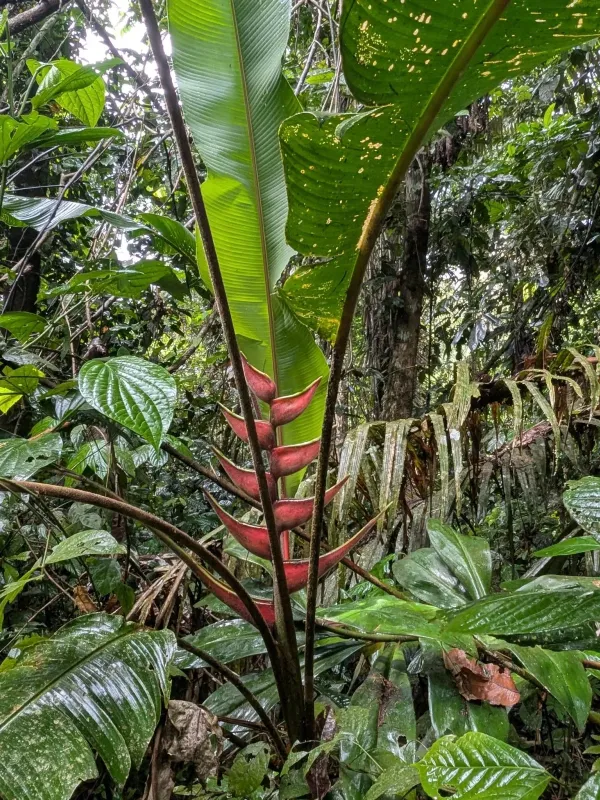
Description
Growing requirements
Heliconia orthotricha is a perennial herbaceous plant belonging to the Heliconiaceae family. It is native to the tropical rainforests of Central and South America, where it thrives in warm and humid ecological niches under the forest canopy.
The climate requirements for this culture are strict; it requires a tropical environment with temperatures consistently between 22°C and 30°C. Cold drafts or sudden drops in temperature will cause immediate stress, potentially leading to dormancy or tissue damage.
The soil should be fertile, well-draining, and rich in organic matter. A mixture of peat, perlite, and decomposed compost is generally ideal. Maintaining a slightly acidic soil pH (between 5.5 and 6.5) is crucial for the efficient uptake of essential micro-nutrients.
Humidity is perhaps the most critical factor in the plant's growth cycle. Growers should maintain humidity levels at 70% or higher. In cultivation environments, regular misting or automated greenhouse humidifiers are necessary to simulate its natural habitat.
While the plant requires abundant light to produce its vibrant inflorescences, direct midday sunlight can be detrimental. Growers should use shading nets to provide filtered light, protecting the foliage from scorching and ensuring optimal flower development.
Yield
In commercial agriculture, Heliconia orthotricha is highly valued as a high-end cut flower. Its yield is determined by the age of the rhizome clump and the nutritional support provided during the active vegetative growth phase.
The harvest period is strategically managed to ensure the longevity of the inflorescences post-cut. Harvesting occurs when the bracts are fully colored, which allows for maximum vase life during transport and final retail distribution.
Main diseases and pests
Spider mites are the most common pest, especially in indoor greenhouse settings where air circulation may be limited. These mites thrive in hot, dry conditions, making consistent humidity and preventative insecticidal soap applications key control strategies.
Root rot caused by Oomycetes is a significant threat to Heliconia plantations. Over-watering and poor soil aeration are the primary drivers of these infections. Effective drainage management and the use of fungicides, when necessary, are standard agronomic practices to mitigate this risk.