
Heliconia mariae
Heliconia mariae
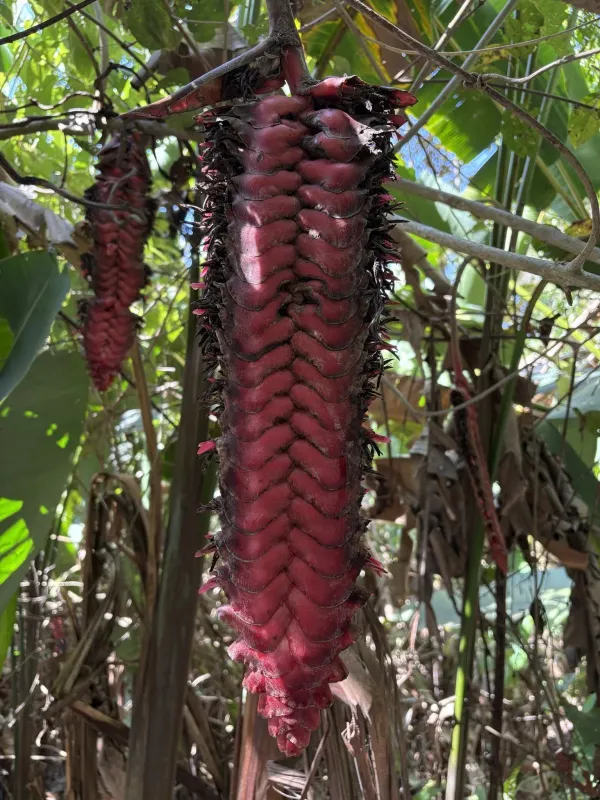
Description
Growing requirements
Heliconia mariae is a distinctive species within the Heliconiaceae family, native to the lush tropical rainforests of Central and South America.
The plant thrives in warm tropical climates where temperatures remain consistently between 22 and 28 degrees Celsius throughout the growing season.
Optimal soil conditions include a well-draining, nutrient-rich substrate, preferably with a high organic matter content to support robust rhizome development.
Adequate moisture is essential; the crop requires high humidity levels to flourish, often necessitating supplemental misting systems in controlled environments.
Strategic placement in partial shade ensures that the broad, decorative leaves are protected from scorching direct sunlight while still receiving ample light.
Main diseases and pests
Spider mites and mealybugs represent the most significant pest threats to Heliconia mariae, particularly in high-humidity greenhouse settings.
Root rot caused by stagnant water or pathogens remains a constant danger, requiring diligent monitoring of irrigation schedules and substrate aeration.
Fungal leaf spot diseases can occur if leaf surfaces remain wet for extended periods, stressing the plant and reducing its market aesthetic value.
Integrated Pest Management (IPM) practices, involving both biological controls and precise pesticide application, are recommended for large-scale operations.
Regular sanitation of tools and working environments is crucial to prevent the spread of soil-borne diseases that could compromise the crop stand.
Harvesting
Harvesting Heliconia mariae requires precise timing, typically when the bracts are fully developed and exhibit their signature vibrant color intensity.
Stems must be cut with sharp, sterilized tools to prevent bacterial entry and ensure a clean wound that heals rapidly under proper conditions.
Immediately post-harvest, stems should be hydrated in clean water to prevent vascular occlusion, which can lead to premature wilting of the inflorescence.
The quality of the product is highly dependent on the integrity of the waxy coating on the bracts, which must be protected during handling and packing.
Post-harvest logistics focus on temperature control and vertical storage to prevent physical deformation of the heavy, arching flower spikes.