
Heliconia longissima
Heliconia longissima
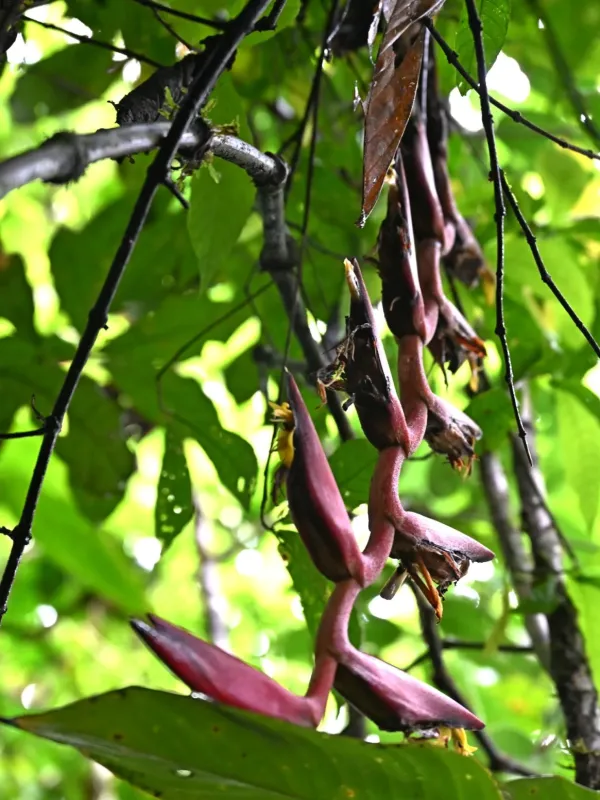
Description
Growing requirements
Heliconia longissima is a stunning perennial plant belonging to the Heliconiaceae family, highly valued in the international market for its unique inflorescences.
Native to the tropical regions of Central and South America, this crop requires a controlled environment with temperatures ranging between 20 and 30 degrees Celsius.
The plant thrives in well-drained, nutrient-rich soils with a slightly acidic pH, which supports vigorous root development and foliage growth.
High humidity levels are essential for this species; therefore, professional greenhouse operations utilize misting systems to maintain environmental consistency.
Proper light management is crucial, as too much direct sunlight can scorch the foliage, while insufficient light may result in poor color development of the bracts.
Main diseases and pests
Common pests affecting Heliconia longissima include spider mites, mealybugs, and scale insects, which can severely impact the quality of the cut flowers.
Fungal diseases like root rot and leaf spot often occur when drainage is poor or when plant density in the greenhouse is too high for adequate air circulation.
Integrated pest management (IPM) strategies, including biological control agents and targeted applications of acaricides, are recommended to maintain plant health.
Regular sanitation, such as removing fallen leaves and pruning damaged parts, is a vital practice to prevent the spread of soil-borne pathogens.
Proper ventilation within the greenhouse helps maintain a dry canopy, reducing the risk of fungal infections during humid seasons.
Harvesting
Harvesting Heliconia longissima inflorescences should be done when the bracts have reached their full, vibrant color to ensure longevity after harvest.
Using a sterile, sharp knife is mandatory to create a clean cut at the base of the stem, which helps in better water uptake post-harvest.
Flowers should be immediately placed in containers with clean water to prevent vascular blockage and ensure they remain fresh during the post-harvest storage phase.
Post-harvest handling involves careful cleaning of the stems and sorting by size and color intensity to meet export quality standards.
- Daily monitoring of flower quality.
- Avoidance of mechanical damage to bracts.
- Cool chain maintenance during transit.