
Heliconia librata
Heliconia librata
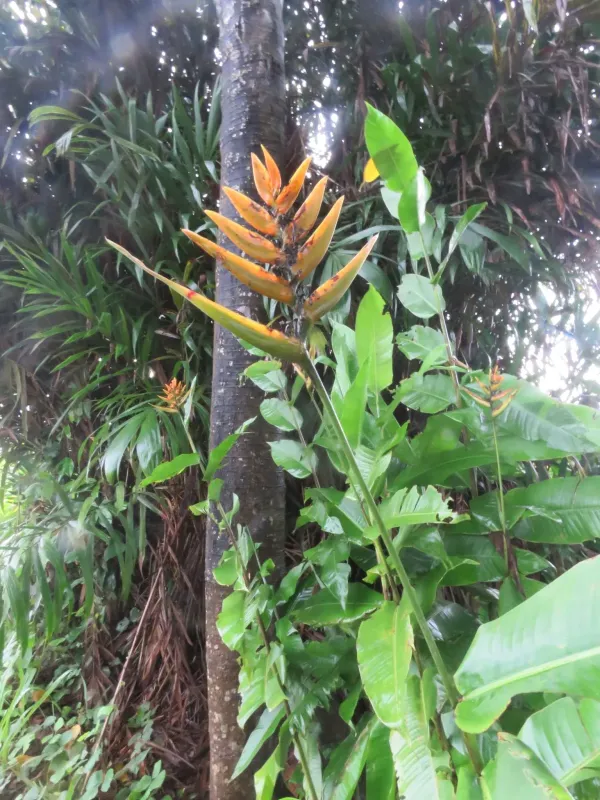
Description
Growing requirements
Heliconia librata belongs to the Heliconiaceae family and is native to the tropical forests of Central America. This perennial herb is highly valued for its striking, architectural inflorescences that make it a centerpiece in tropical landscaping and floriculture.
The plant thrives in regions with consistently high humidity levels, ideally above 75%. In controlled greenhouse environments, fogging systems are often employed to replicate the native rainforest climate, ensuring that the foliage remains lush and vibrant throughout the growing cycle.
Regarding soil, Heliconia librata demands a well-draining, nutrient-rich substrate. A mixture consisting of pine bark, peat moss, and perlite is generally recommended to provide the necessary aeration for the rhizomes while retaining sufficient moisture for root uptake.
Thermal requirements for this species are specific: temperatures should remain within the +22°C to +29°C range. Exposure to temperatures below +15°C will induce dormancy and potentially cause severe physiological stress, resulting in the browning of leaves.
Light management is a critical aspect of its agrotechnology. While the plant requires intense light to initiate flowering, it should be filtered through shade cloths to prevent thermal injury to the leaves. Proper light levels significantly impact the color saturation of the floral bracts.
Main diseases and pests
Spider mites are the most prevalent pest, particularly in low-humidity environments. Regular monitoring of the leaf underside is necessary, and the application of horticultural oils or specialized acaricides is standard protocol when pest density threshold is reached.
Root rot caused by Phytophthora species remains a significant challenge for commercial growers. This pathogen is typically introduced through contaminated water or poor drainage, necessitating the use of systemic fungicides and strict sanitary procedures during propagation.
Scale insects can also infest the stems, creating sticky residues that attract secondary fungal growth. Manual cleaning or the use of systemic insecticides is often required to maintain the aesthetic quality of the plants, which is crucial for market value.
Nematodes, while often hidden, can severely impact plant vigor. Incorporating organic amendments into the soil or using soil solarization techniques are effective preventative measures against soil-borne pests in tropical climates.
Finally, bacterial blight can cause rapid decline. Since effective chemical cures are limited, the most successful approach involves removing infected plants immediately and maintaining optimal hygiene in the cultivation area.
Harvesting
Harvesting Heliconia librata requires precise timing to ensure the longevity of the inflorescences. The flowers are typically cut when the basal bracts show full color but before the true flowers inside the bracts have fully senesced.
The harvest should be performed using clean, sharp secateurs to create a clean wound on the stem. Immediate placement of the harvested stalks into clean water helps prevent the blockage of xylem vessels and ensures proper water absorption.
Post-harvest handling involves sorting by stem length and bract appearance. To minimize transit damage, the inflorescences are often wrapped in protective sleeves and stored in temperature-controlled boxes at approximately +15°C.
In intensive production, rotating the crop cycle is essential to maximize yield. By managing the age of the rhizomes, growers can predict peak flowering periods and align them with market demand for exotic cut flowers.
After the harvest, the maintenance of the parent clumps involves pruning spent stems and applying balanced fertilizers. This promotes new shoot formation and ensures a successful return on investment for the next harvest season.