
Heliconia indica
Heliconia indica
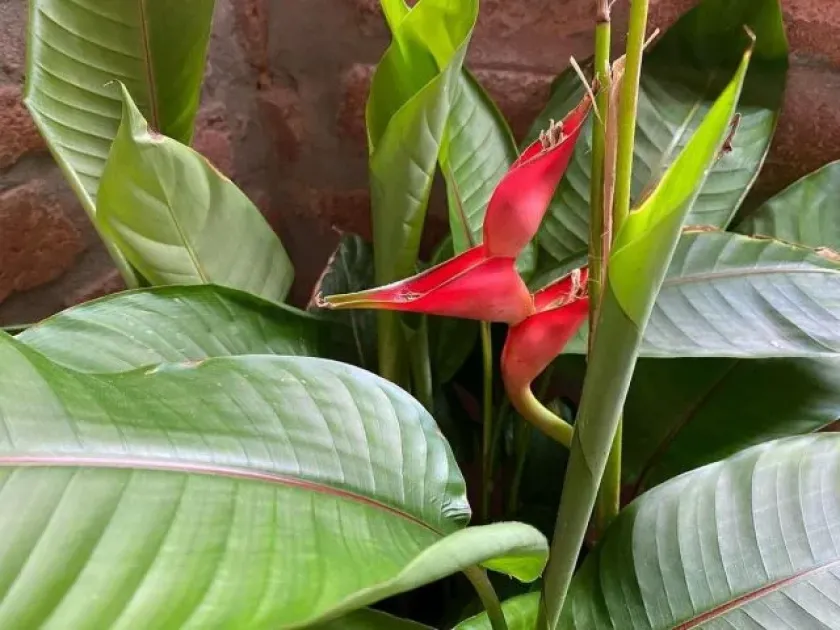
Description
Growing requirements
Heliconia indica is a robust perennial herb belonging to the Heliconiaceae family, native to the tropical regions of Southeast Asia and the Pacific Islands. It is highly valued for its striking, brightly colored bracts and lush, banana-like foliage.
The plant thrives in warm, humid tropical environments. In commercial agriculture, it requires a temperature range of 22–30°C and cannot tolerate frost or prolonged cold snaps. For greenhouse production, climate control systems are mandatory.
The soil must be rich in organic matter, well-draining, and slightly acidic (pH 5.5 to 6.5). Heliconia indica requires a substrate that retains moisture without becoming waterlogged, as poor drainage is the primary cause of rhizome decay.
Light intensity is critical for flower development. While Heliconia prefers bright, filtered sunlight, direct afternoon sun can cause leaf scorch in lower-humidity greenhouse environments. Providing 50–70% shade is common practice in many commercial plantations.
High relative humidity (70%+) is essential for healthy growth. Agronomic management involves consistent irrigation and the use of fogging systems to prevent transpiration stress, which can lead to browning of the leaf margins.
Main diseases and pests
Pest management is focused on controlling aphids, mites, and scale insects, which are notorious for inhabiting the tight clusters of the inflorescence. Regular scouting is required to prevent outbreaks.
Fungal pathogens like Pythium and Fusarium are common threats when soil management is poor. Preventative measures include using pasteurized substrates and strict sanitation protocols to avoid the introduction of soil-borne diseases.
Harvesting
The primary economic use of Heliconia indica is as a high-end cut flower for the floral industry. Its architectural shape and longevity make it a preferred choice for large-scale floral arrangements and hotel decor.
Harvesting is performed when the lower bracts have achieved full coloration. Skilled harvesters cut the stalks low on the stem using sterilized tools, ensuring that the vascular tissue is not crushed to maintain water uptake.
Post-harvest care involves immediate processing in a cool environment. Stems are often treated with specialized hydration solutions to remove air bubbles from the xylem and preserve the vibrant colors of the inflorescence.
Grading is based on stem length, the number of bracts, and the intensity of color. High-quality export batches are typically kept at 15–18°C to prevent chilling injury during transit.
Annual yields depend on the plant's spacing and the intensity of fertilization. Productivity typically peaks during the second and third years after planting, requiring diligent management of rhizome density.