
Heliconia imbricata
Heliconia imbricata
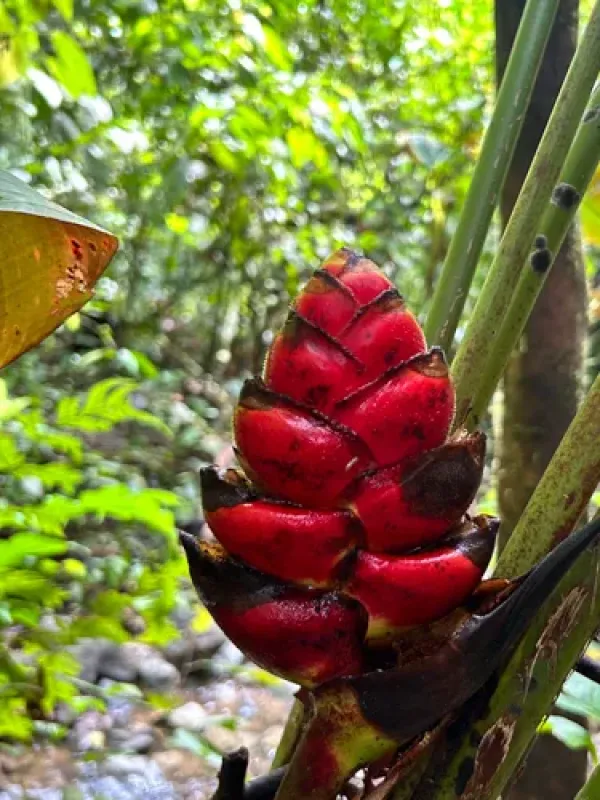
Description
Growing requirements
Heliconia imbricata is a prominent member of the Heliconiaceae family. This perennial herb originates from the tropical rainforests of Central America, primarily flourishing in humid environments with high precipitation levels.
The plant thrives in temperatures between 22°C and 28°C. Due to its tropical nature, it is extremely sensitive to cold and is typically cultivated in greenhouses or controlled climate environments to ensure year-round development.
Optimal soil for this culture should be rich in organic matter, well-draining, and slightly acidic. A mix consisting of peat moss, pine bark, and perlite is often recommended to prevent root hypoxia and ensure adequate moisture retention.
High relative humidity, ideally above 70%, is essential for the healthy development of its signature bracts. In commercial settings, automatic misting systems are standard practice to maintain the required microclimate.
Light requirements are high but indirect. While the plant requires plenty of photosynthesis-active radiation, direct harsh sunlight must be filtered using shading screens to protect the large leaf blades from scorching.
Yield
The primary economic output of Heliconia imbricata is the production of high-quality cut flowers for the international floral market. Its architectural shape and long vase life make it a premium item for tropical-themed arrangements.
Yield is measured by the number of marketable inflorescences produced per plant per cycle. An established, healthy plant can produce multiple sturdy stalks annually if provided with sufficient nutrition and light.
Commercial producers emphasize balanced fertilization, specifically targeting nitrogen during the vegetative phase and increasing potassium levels during the floral development phase to ensure vibrant bract color.
Techniques such as hydroponic systems are increasingly used to optimize resource use and accelerate growth rates, providing more predictable harvest cycles compared to traditional soil-based cultivation.
Harvesting involves cutting stalks at the base once the bracts have fully developed color. Proper post-harvest handling includes immediate hydration and careful packing to maintain the plant's natural protective waxy layer.
Main diseases and pests
Spider mites are the most persistent pest for this species, often appearing when humidity levels drop below optimal thresholds. Regular monitoring is essential to prevent infestations that can drastically reduce photosynthesis.
Mealybugs are also a common threat, often hiding in the crevices of the inflorescence. Integrated Pest Management (IPM) strategies, involving biological control agents and targeted insecticidal soaps, are preferred for sustainable production.
Fungal diseases, including root rot and leaf spot pathogens, pose significant risks in high-humidity environments. These pathogens are often exacerbated by poor air circulation and excessive moisture in the growing medium.
To maintain a healthy crop, growers must focus on preventative measures: using sterile growing media, ensuring proper plant spacing for airflow, and maintaining strict sanitation protocols for all pruning tools.
Early identification of physiological stress or pest damage is key. Maintaining balanced growth through proper environmental controls significantly boosts the plant's natural resistance to most biotic and abiotic threats.