
Heliconia hybrids
Heliconia hybrids
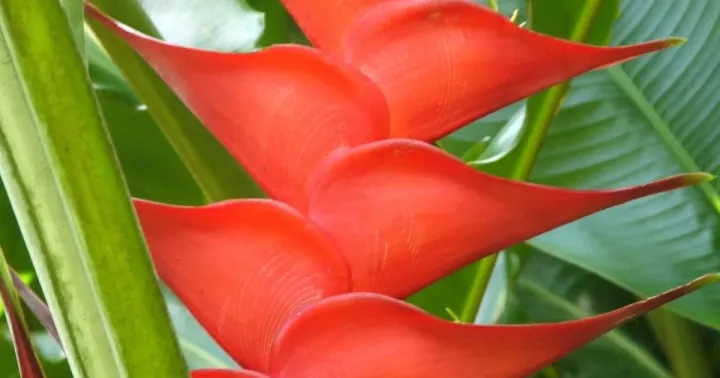
Description
Growing requirements
Heliconia hybrids belong to the Heliconiaceae family and are popular perennial herbaceous plants characterized by their showy, bract-like structures. Originating from the tropical regions of Central and South America, these plants have become a staple in warm-climate agriculture.
The optimal growing temperature for these hybrids ranges from 22°C to 28°C. Exposure to temperatures consistently below 15°C can result in stunted growth and significant damage to the developing inflorescences, making greenhouse climate control essential in non-tropical regions.
Soil requirements involve a well-draining, nutrient-rich substrate with a slightly acidic pH between 5.5 and 6.5. Good aeration is vital to prevent root asphyxiation, as the fleshy rhizomes are prone to decay if the medium remains waterlogged.
Light management is crucial; while these plants need bright light to bloom effectively, excessive direct sunlight can cause leaf scorching. Specialized greenhouse shading systems are typically employed to modulate light intensity and maintain humidity levels.
Maintaining high humidity (70-85%) is a prerequisite for high-quality production. Proper air circulation must be balanced with humidity control to prevent the onset of fungal pathogens that thrive in stagnant, humid environments.
Yield
The yield of Heliconia hybrids is measured by the number of marketable inflorescences produced per square meter. Depending on the variety and management practices, a well-established crop can produce multiple flushes of blooms per year.
The primary economic use of this culture is the cut-flower market. Its extreme durability and exotic appearance make it highly sought after for premium floral arrangements and interior design applications worldwide.
Main diseases and pests
Common pests include spider mites, mealybugs, and aphids, which can quickly colonize the undersides of leaves. Integrated pest management (IPM) strategies are recommended, focusing on early detection and the use of targeted biological controls.
Fungal diseases, specifically leaf spot caused by Colletotrichum species, are the most significant threats. Mitigation strategies include maintaining leaf dryness through proper spacing and ensuring excellent ventilation within the growing environment.
Harvesting
Harvesting is performed by cutting the floral stalks when the bracts have fully developed their characteristic color but before the true flowers begin to senesce. This ensures the longest possible vase life for the end consumer.
Post-harvest care involves immediate hydration in clean water mixed with appropriate floral preservatives. Proper handling and temperature-controlled logistics are critical to maintaining the structural integrity of the blooms during transport.