
Heliconia episcopalis
Heliconia episcopalis
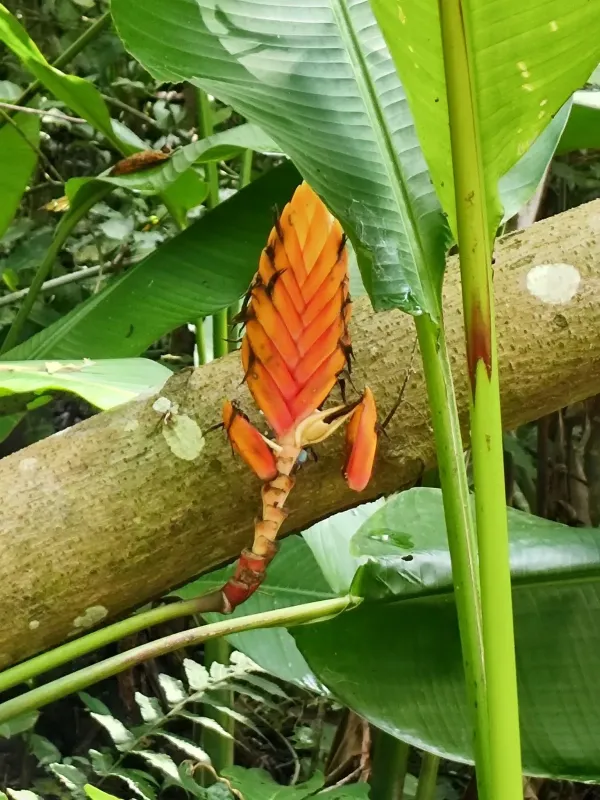
Description
Growing requirements
Heliconia episcopalis is a perennial herbaceous plant belonging to the Heliconiaceae family. It is native to the tropical rainforests of South America, specifically thriving in regions with high humidity and consistent rainfall patterns throughout the vegetative period.
The plant exhibits distinct botanical features, including upright inflorescences with colorful, boat-shaped bracts that protect the true flowers. Its foliage is large, lanceolate, and requires significant space for adequate expansion in both greenhouse and nursery settings.
Climate requirements for this species are strictly tropical. Successful production necessitates temperatures between 22°C and 30°C. Cold sensitivity is a major limiting factor, as temperatures below 15°C can cause severe physiological stress and permanent damage to the leaf tissue.
Soil management for Heliconia requires a substrate with excellent drainage and a high organic matter content. A mix of peat moss, pine bark, and coarse perlite is often utilized to ensure sufficient aeration for the robust rhizome system, preventing anaerobic conditions that cause rot.
Light intensity plays a critical role in the crop's development. While it requires bright light to produce high-quality inflorescences, full equatorial sun can scorch the leaves. Therefore, partial shading (30-50%) is recommended for commercial cultivation to maintain optimal leaf quality.
Main diseases and pests
Common pests affecting Heliconia episcopalis include spider mites, mealybugs, and aphids. These insects tend to proliferate in dry indoor conditions, making humidity control a primary method of integrated pest management within greenhouse operations.
Rhizome rot and leaf spot diseases caused by fungi such as Rhizoctonia or Colletotrichum represent the most significant threats. These pathogens thrive in poorly ventilated areas where moisture remains on the foliage for extended periods.
Nematodes are another hidden threat to Heliconia plantations, as they attack the root system, stunting growth and reducing the number of inflorescences. Soil sterilization before planting is a standard practice to mitigate this risk.
Effective disease management relies on strict sanitation protocols. Removing and destroying infected plant debris reduces the inoculum density in the cultivation environment, preventing widespread outbreaks among adjacent crops.
Preventive fungicide and insecticide applications are utilized as part of the management strategy, but they must be rotated to prevent the development of pesticide resistance in common tropical pest populations.