
Mexican Hedyosmum
Hedyosmum mexicanum
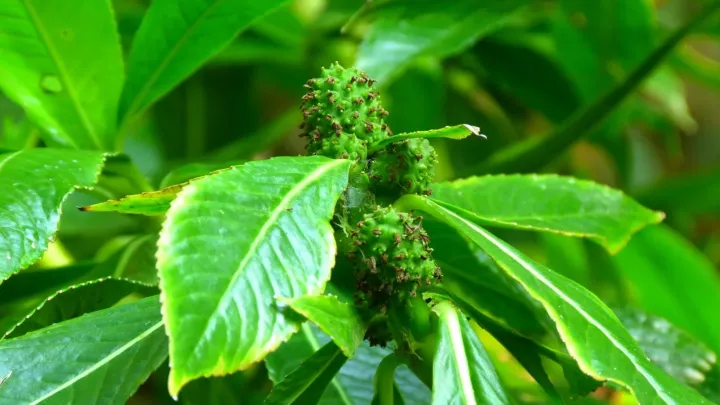
Description
Growing requirements
Mexican Hedyosmum (Hedyosmum mexicanum) is an evergreen shrub belonging to the Chloranthaceae family. Native to the cloud forests of Mexico and Central America, this plant is well-adapted to high-altitude environments where humidity is high and temperature fluctuations are minimal.
To cultivate this species successfully, one must replicate its natural understory environment. This involves providing filtered light and avoiding direct, intense sun exposure that can easily scorch the foliage of young or sensitive plants.
The soil profile must be rich in organic matter and possess excellent drainage capabilities. Although the plant enjoys humidity, waterlogged soil is fatal to the root system, often leading to rapid decline due to fungal pathogen infiltration in the rhizosphere.
Agronomic management should include regular, light fertilization and consistent soil moisture monitoring. Because the plant is a slow grower, aggressive pruning should be avoided, focusing instead on selective trimming to maintain plant health and shape.
Climate control is the most challenging aspect of large-scale production. Keeping the plant in a greenhouse setting with automated misting systems and temperature regulation is essential for maintaining the vigor required for commercial harvesting.
Harvesting
Harvesting Hedyosmum mexicanum is focused on obtaining leaves and inflorescences which are prized for their unique aromatic compounds. The harvest timing is critical and should be scheduled during dry, calm weather to ensure the quality of the harvested botanical material.
Manual harvesting is the only viable method given the plant's delicate nature and the need to protect the main stems for future growth. Harvesters should aim to pick the most mature, essential-oil-rich tissues while leaving younger shoots to grow.
Post-harvest processing involves immediate transport to a climate-controlled area for drying. The process must be slow and steady; using heat lamps or high-temperature drying ovens would destroy the delicate fragrance and medicinal properties of the oil.
Storage of the finished dried product must be handled with care, using opaque, airtight containers to prevent oxidation and loss of potency. Properly stored, the botanical components retain their value for several months before processing into extracts.
Future research into this crop should focus on standardizing harvest techniques and investigating the chemical variability across different genotypes. This will facilitate broader applications in the cosmetic and pharmaceutical sectors, making the plant a more commercially viable option.