
Brazilian Hedyosmum
Hedyosmum brasiliense
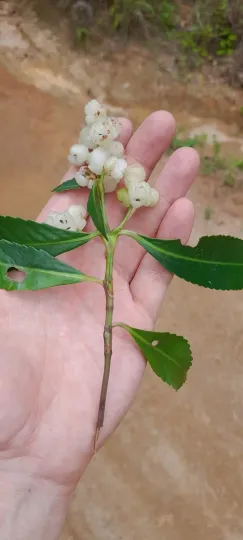
Description
Growing requirements
Brazilian Hedyosmum (Hedyosmum brasiliense) is a member of the Chloranthaceae family, native to the humid mountain forests of South America. This evergreen shrub thrives in regions characterized by consistent rainfall and mild temperatures.
The plant requires well-drained, nutrient-rich soil to develop a healthy root system. Waterlogging is a significant threat, so farmers should ensure the site has adequate drainage, especially in areas with frequent heavy rains.
Light management is crucial for the cultivation of this species. It prefers shaded or semi-shaded environments, as the leaves can be easily scorched by intense direct sunlight during the peak of the summer season.
Regarding climate, the plant is not cold-hardy. Any exposure to frost will severely damage the delicate foliage and can lead to the death of the plant. Maintaining an ambient temperature suitable for subtropical crops is essential.
Agricultural maintenance involves periodic fertilization with organic matter to support growth. Keeping the soil slightly acidic to neutral provides the best nutrient availability for the plant's long-term health.
Main diseases and pests
The primary threats to Hedyosmum brasiliense involve fungal pathogens that emerge during periods of high humidity and poor air circulation. Root rot is the most dangerous complication, often caused by stagnant water in the soil.
Pest management is focused on controlling scale insects and spider mites, which can infest the underside of the leaves. Regular inspection of the foliage is recommended to catch infestations early before they spread.
Preventative measures include maintaining adequate spacing between shrubs to allow for air movement. Proper sanitation, such as removing fallen leaves and diseased branches, significantly reduces the pressure from potential pests.
Integrated pest management (IPM) practices are encouraged, utilizing biological controls rather than harsh chemical pesticides to preserve the medicinal quality of the harvest.
Finally, keeping the plant vigorous through proper nutrition and hydration makes it more resilient against secondary bacterial infections that target weakened specimens.