
Hedyosmum arborescens
Hedyosmum arborescens
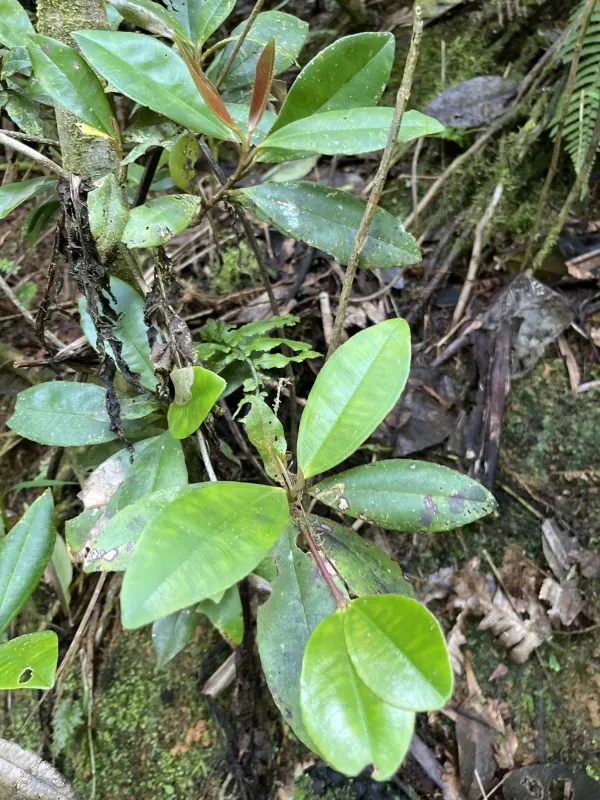
Description
Growing requirements
Hedyosmum arborescens is a woody species belonging to the Chloranthaceae family. This evergreen shrub or small tree is native to the montane tropical forests, primarily found in the Caribbean region, where it thrives in humid and shaded microclimates.
The crop requires high atmospheric humidity and consistent moisture levels in the soil to perform well. It prefers deep, nutrient-rich soils with excellent drainage, typical of mountainous forest environments, to prevent root rot and ensure proper nutrient uptake.
Temperature requirements for this plant are centered around stable, moderate tropical conditions. It is not cold-hardy, and exposure to frost or prolonged temperatures below 10°C can significantly impede growth and lead to physiological stress in the plant tissue.
Botanically, the plant is dioecious, meaning male and female flowers occur on separate individual trees. The leaves are opposite and simple, often possessing a distinct aroma due to the presence of specialized secretory glands that produce essential oils.
Cultivation practices involve site selection in partial shade to mimic the forest canopy. While it can adapt to various conditions, consistent monitoring of soil acidity and organic matter content is essential for maintaining optimal physiological functions.
Harvesting
The primary economic use of Hedyosmum arborescens lies in its potential as an aromatic crop. Its leaves are harvested for the extraction of essential oils, which are utilized in traditional medicine and local sensory applications.
Harvesting is performed by carefully trimming the outer branches to maximize biomass yield while allowing the central structure of the tree to remain productive. Mechanical harvesting is generally avoided to prevent damage to the delicate glandular tissues of the foliage.
Post-harvest management is crucial for maintaining oil quality. The leaves must be dried in shaded, well-ventilated areas to prevent excessive heat from oxidizing the volatile compounds, which significantly reduces the value of the final botanical product.
In addition to oil production, the foliage is occasionally used for infusions. The pharmacological profile of the plant is still under exploration, making it an interesting subject for niche agro-industrial studies in tropical regions.
Ongoing maintenance requires periodic pruning to facilitate light penetration and airflow through the canopy. This prevents the accumulation of excess humidity, which can lead to fungal infections during the wetter seasons of the year.