
Hedyosmum bonplandianum
Hedyosmum bonplandianum
Description
Growing requirements
Hedyosmum bonplandianum is a perennial plant belonging to the Chloranthaceae family, native to the tropical montane forests of South America. It is particularly well-adapted to the cool, humid conditions of the Andean cloud forests where it thrives as an evergreen shrub or small tree.
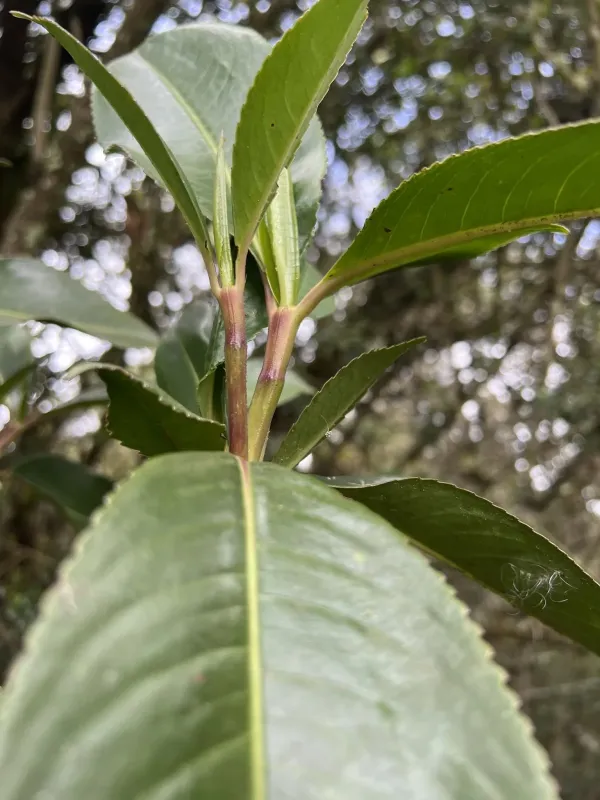
The botanical structure of the plant features opposite, lanceolate leaves that are rich in essential oils. These aromatic compounds are a defining characteristic of the species and contribute to its ecological resilience within its native habitat.
The cultivation of Hedyosmum bonplandianum requires high levels of soil organic matter and excellent drainage. The plant is highly sensitive to waterlogged conditions, making soil preparation and structure critical for preventing root rot and ensuring consistent growth.
Climate-wise, the species demands a stable environment with high atmospheric humidity and moderate temperatures. It is not suitable for regions with extreme seasonal fluctuations, as its physiological processes are optimized for the steady moisture of high-altitude ecosystems.
From an agricultural standpoint, the plant is primarily cultivated for its aromatic properties and potential medicinal applications. Its secondary metabolites are currently being researched for their efficacy in modern pharmacology and herbal medicine production.
Main diseases and pests
Fungal infections, particularly root rot, represent the most significant threat to Hedyosmum bonplandianum when grown in suboptimal conditions. Proper soil aeration and the use of well-structured substrate are essential preventive measures against these pathogens.
Insect pests, such as aphids and spider mites, are common nuisances that thrive in the foliage of the plant. Regular monitoring of the underside of leaves is necessary to catch infestations early before they lead to severe physiological stress.
Viral infections can also impact the plant's health, often transmitted by sap-sucking insects. Implementing integrated pest management (IPM) strategies focusing on biological control is recommended to protect the crop without disrupting the local ecosystem.
Nutrient deficiency can lead to chlorosis and increased susceptibility to environmental diseases. Providing a balanced, organic-based fertilization schedule that mimics the natural forest soil nutrient profile helps maintain a robust plant immune system.
To ensure long-term productivity, farmers must prevent the buildup of leaf litter around the base of the plant, as this organic matter can become a breeding ground for harmful fungi during prolonged wet weather.