
Haplopteris zosterifolia
Haplopteris zosterifolia
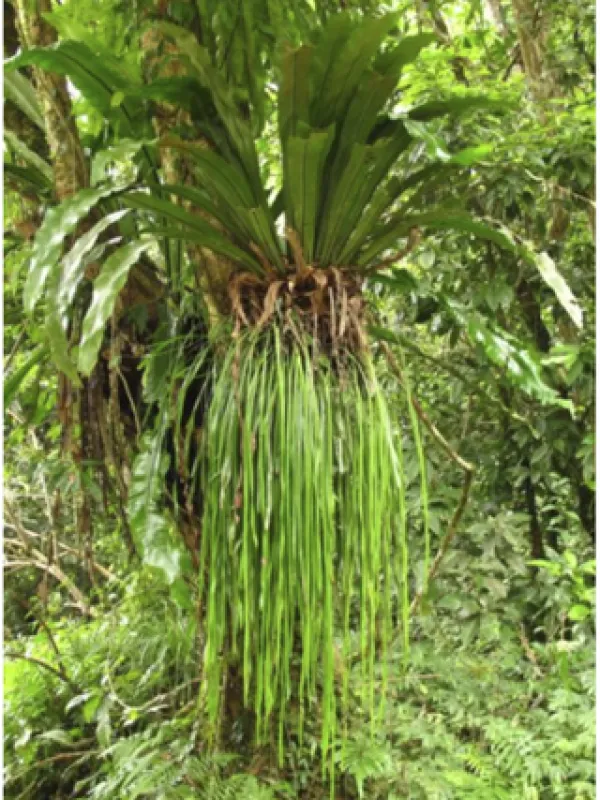
Description
Growing requirements
Haplopteris zosterifolia is a specialized epiphytic fern belonging to the Pteridaceae family. Originating from the tropical forests of Southeast Asia, this plant naturally thrives in humid environments, typically attaching itself to tree trunks or mossy rock formations.
The plant is defined by its distinctive narrow, grass-like fronds that create a dense, elegant clump. Its morphological structure is perfectly adapted to absorb moisture directly from the humid tropical air, which is essential for maintaining the health of its delicate leaf tissues.
Cultivation requires a stable temperature range between 20°C and 25°C. As an epiphyte, the plant is highly sensitive to cold drafts and rapid temperature fluctuations, which can trigger leaf drop and physiological stress.
A well-aerated, moisture-retentive substrate is vital. A mix composed of orchid bark, high-quality sphagnum moss, and charcoal is recommended to mimic the natural epiphytic niche and prevent root suffocation.
Filtered, low-intensity light is mandatory for successful growth. The fern should never be exposed to direct sunlight, as the thin fronds are highly susceptible to burning and rapid dehydration in high-light conditions.
Main diseases and pests
The primary threat to Haplopteris zosterifolia is overwatering, which quickly leads to root rot. If the roots remain saturated for too long, the plant will show signs of necrosis, and recovery is often extremely difficult.
Pests such as spider mites are prevalent when the ambient air humidity falls below the recommended threshold. These mites target the undersides of the fronds, causing visible discoloration and reduced plant vigor.
Scale insects and mealybugs may also infest the plant under suboptimal conditions. Regular inspections of the foliage, particularly near the base of the fronds, are necessary for early detection and manual control.
Poor air circulation increases the risk of fungal leaf spot diseases. Keeping the leaves dry during irrigation and ensuring a gentle breeze in the growth area can help prevent most pathogenic infections.
Successful management depends on consistency in irrigation and high environmental humidity. Providing the correct balance of moisture and air movement significantly reduces the plant's susceptibility to diseases.