
Haplopteris flexuosa
Haplopteris flexuosa
Description
Growing requirements
Haplopteris flexuosa is a unique fern species belonging to the Vittariaceae family. Native to tropical Southeast Asia, this plant is primarily an epiphyte, naturally growing on tree trunks and rocky surfaces within humid forest ecosystems.
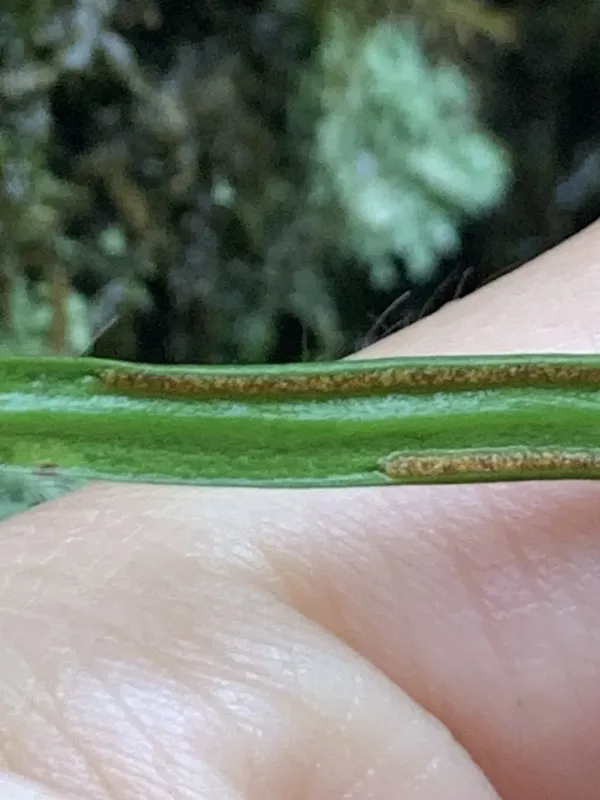
The plant is characterized by its distinct ribbon-like, narrow, and often contorted fronds that possess a leathery texture. Its growth habit is adapted to low-light conditions, where it relies on high humidity levels and constant moisture availability in its immediate environment.
Cultivation requirements for Haplopteris flexuosa demand a controlled tropical environment. It thrives best in temperatures between +20°C and +26°C, as the plant is highly sensitive to cold, stagnant air and extreme temperature fluctuations that occur in temperate garden settings.
Soil management involves using a highly porous, epiphyte-friendly substrate. A mix of shredded bark, sphagnum moss, and charcoal is recommended to ensure adequate drainage while maintaining the humidity required for the root system to remain healthy.
The primary horticultural application for this species is in specialized interior landscaping, including vivariums and botanical greenhouse displays. Due to its aesthetic appeal, it remains a sought-after subject for enthusiasts specializing in rare exotic ferns.
Main diseases and pests
Root rot is the most common threat to Haplopteris flexuosa, usually caused by overwatering or poor drainage within the potting medium. Once established, fungal infections in the rhizome can be difficult to manage, often leading to rapid decline.
Pests such as scale insects and mealybugs are frequent threats in domestic settings. These sap-sucking insects exploit the narrow crevices of the fronds, making early manual removal or systemic treatment essential for maintaining plant vigor.
Spider mites represent a significant risk during winter months or periods of low humidity. These microscopic arachnids quickly proliferate on the undersides of leaves, causing yellowing and eventually the premature death of the fronds if ignored.
Direct exposure to sunlight is a major physiological threat to this shade-loving species. Exposure results in immediate chlorosis or thermal leaf damage, which permanently ruins the visual appearance and health of the plant specimen.
Nutrient toxicity, caused by excessive mineral content in irrigation water, leads to salt accumulation in the substrate. This chemical imbalance stunts new growth, necessitating the use of distilled or deionized water for optimal care.