
Hamelia pedicellata
Hamelia pedicellata
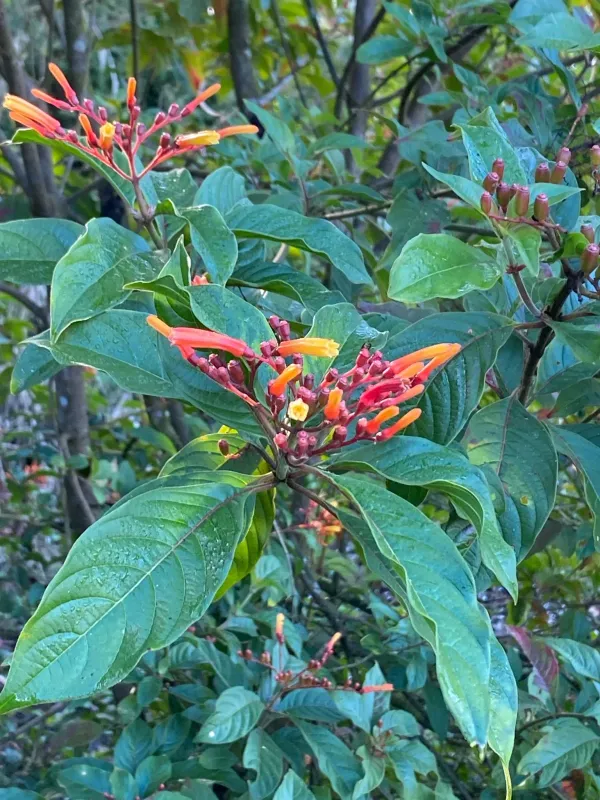
Description
Growing requirements
Hamelia pedicellata is an evergreen shrub or small tree belonging to the Rubiaceae family, native to the tropical forests of Central and South America. It is recognized for its unique, pedicellate flowers and dense foliage that thrives in humid, frost-free environments.
Botanically, the plant features a robust branching pattern with distinct leaf arrangements, often growing in whorls. Its floral structure is specifically adapted for nectar-feeding pollinators, which plays a crucial role in the local ecosystem of its native range.
The cultivation requirements for this species include well-drained, nutrient-rich soil with a slightly acidic to neutral pH level. It is essential to maintain high soil aeration to prevent the development of root-borne diseases common in tropical shrubs.
In terms of climatic needs, the plant requires consistent warmth and protection from frost, as even mild cold spells can cause significant damage to its active vegetative tissue. Bright, filtered light is preferred for optimal growth and flowering intensity.
Hamelia pedicellata is predominantly used in tropical landscaping for its aesthetic appeal and low maintenance once established. Beyond its ornamental use, there is growing interest in its phytochemical properties for potential applications in botanical medicine and sustainable agriculture.
Main diseases and pests
The main pathological risks for Hamelia pedicellata involve fungal infections such as leaf spot and root rot, primarily triggered by poor soil drainage and excessive ambient humidity levels.
Pests such as spider mites, aphids, and whiteflies are the most common insects that attack the foliage, especially when the plant is experiencing drought stress or lacks proper air circulation.
Regular horticultural care, including pruning for airflow and monitoring for insect infestations, is essential to maintain the plant's health and prevent widespread outbreaks of parasites.
Chemical control measures should be applied sparingly, focusing on targeted treatments that do not disrupt the local population of beneficial insects and natural pollinators.
Sustainable farm management for this species emphasizes the use of preventive agricultural practices, such as balanced fertilization and moisture control, to bolster natural plant resistance against pests.