
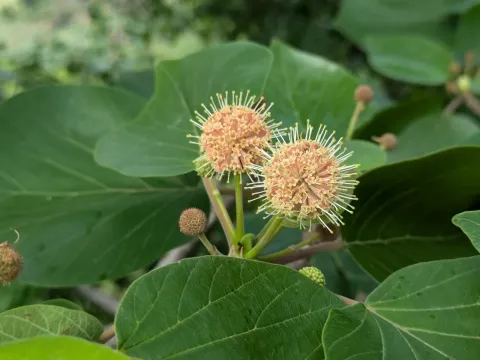
Haldina
Haldina
Haldina is a genus belonging to the Rubiaceae family, with Haldina cordifolia being the most prominent species. It is a large deciduous tree known for its significant height and commercial wood quality in tropical regions.
What the section contains

Haldina
The native distribution of this species spans across India, Myanmar, and other parts of Southeast Asia. It thrives in diverse forest types, ranging from moist deciduous to dry tropical forests, depending on the local water availability.
The climate requirements include a warm, humid environment with a distinct seasonal cycle. High temperatures are essential throughout the growth cycle to ensure the structural development of the trunk.
Regarding cultivation, the species requires well-drained fertile soils. Farmers and forestry professionals focus on soil preparation to ensure moisture balance while preventing saturation, which is detrimental to the root system.
Haldina is highly regarded for its timber, which is used in manufacturing high-quality furniture, agricultural implements, and specialized carvings due to its fine texture and durability.
The main pests affecting Haldina plantations include various defoliating insects and wood-boring beetles that can damage the internal structure of the trunk if not managed properly.
Fungal diseases are particularly prevalent during the rainy season, impacting leaf health and sometimes causing stem rot in young saplings struggling with humidity.
Management strategies involve systematic inspection of stands to identify early signs of infestation and applying sustainable biological control methods to mitigate environmental impact.
Thinning the canopy and removing infected plant debris are standard silvicultural practices used to improve air circulation and reduce the overall infection pressure within the tree population.
Sustainable forest management relies on the selection of robust seedlings and maintaining proper distance between trees to prevent the rapid transmission of soil-borne pathogens.