
Haldina cordifolia
Haldina cordifolia (Roxb.) Ridsdale
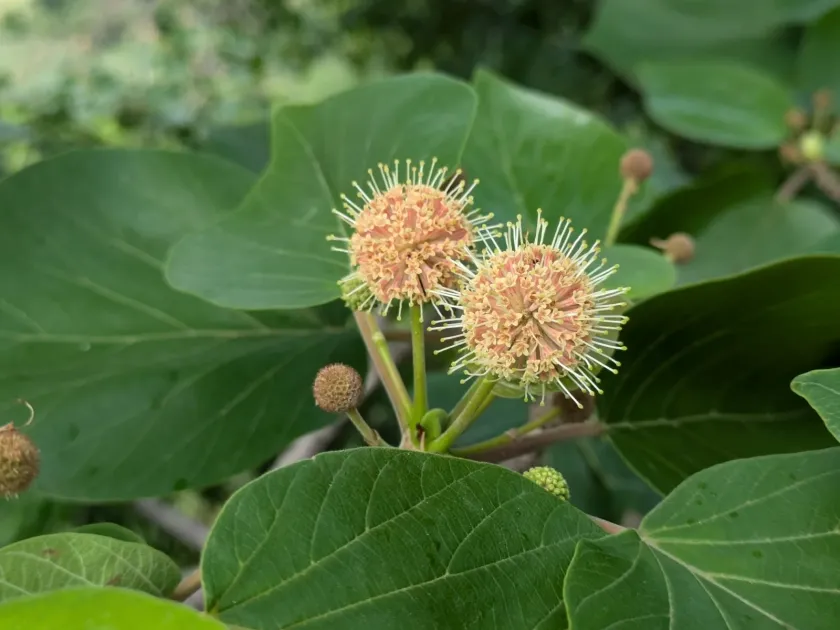
Description
Sowing dates
Propagation of Haldina cordifolia is primarily achieved through seeds, which require careful handling due to their extremely small size.
Seeds should be sown in prepared nursery beds with a sandy-loam substrate that ensures efficient drainage to prevent seed decay.
The optimal sowing season coincides with the onset of monsoon rains to provide the humidity necessary for successful germination.
During the early growth phase, it is crucial to provide shade to seedlings to protect them from direct, harsh solar radiation.
Once seedlings have reached sufficient height, they are hardened off before being transplanted into their final field locations.
Growing requirements
Haldina cordifolia belongs to the Rubiaceae family and is native to the deciduous forests of India, Myanmar, and other South Asian regions.
The species thrives in warm, tropical environments with a distinct wet season, requiring temperatures consistently above 20 degrees Celsius.
It prefers deep, fertile, and well-drained soils, typically avoiding heavy clay soils that are prone to waterlogging.
The tree requires significant space for its canopy development, making proper spacing during initial planting essential for long-term health.
While mature trees exhibit some tolerance to seasonal dry spells, consistent rainfall is vital for maximum growth rates.
Yield
The timber of Haldina cordifolia is highly valued for its fine grain, strength, and durability, making it ideal for high-quality carpentry.
Common uses include furniture manufacturing, wood carving, and the production of specialized agricultural tools and components.
The wood has a characteristic yellow or golden-brown color, which is highly appreciated in high-end cabinetry and decorative woodwork.
Besides timber, various parts of the tree, particularly the bark, contain medicinal compounds used in traditional healthcare systems.
Sustainable harvesting of the timber involves careful rotation management to ensure the longevity of the forest stand.
Main diseases and pests
The species is susceptible to various wood-boring insects that can tunnel into the trunk, compromising the structural integrity of the timber.
Fungal diseases, especially those causing root rot, represent a major threat when the trees are grown in poorly drained, wet soils.
Defoliating insects can significantly reduce the photosynthetic capacity of young trees, leading to stunted growth and increased stress.
- Regular monitoring of canopy health.
- Sanitary pruning of infected branches.
- Strategic use of non-toxic pest control agents.
Maintaining a balanced ecosystem around the plantation is the most effective way to prevent large-scale outbreaks of pests and diseases.