
Hackelia virginiana
Hackelia virginiana
Description
Growing requirements
Hackelia virginiana, commonly known as beggar-lice, is a biennial herbaceous plant belonging to the Boraginaceae family. It is native to North America and is frequently observed in woodland edges and disturbed agricultural landscapes.
The plant exhibits a biennial growth habit. During the first year, it develops a rosette of leaves, while in the second year, it produces a branching floral stem. This life cycle allows the plant to allocate significant resources to reproduction in its final stage.
Hackelia virginiana thrives in moist, fertile soils, often preferring loamy textures. While it is naturally found in semi-shaded environments, it shows a remarkable degree of plasticity, capable of adapting to various light intensities within an agro-ecosystem.
Agronomic requirements are centered on soil quality and moisture management. The plant does not require high levels of nitrogen fertilization but benefits from consistent soil moisture levels during its initial establishment phase in the first year.
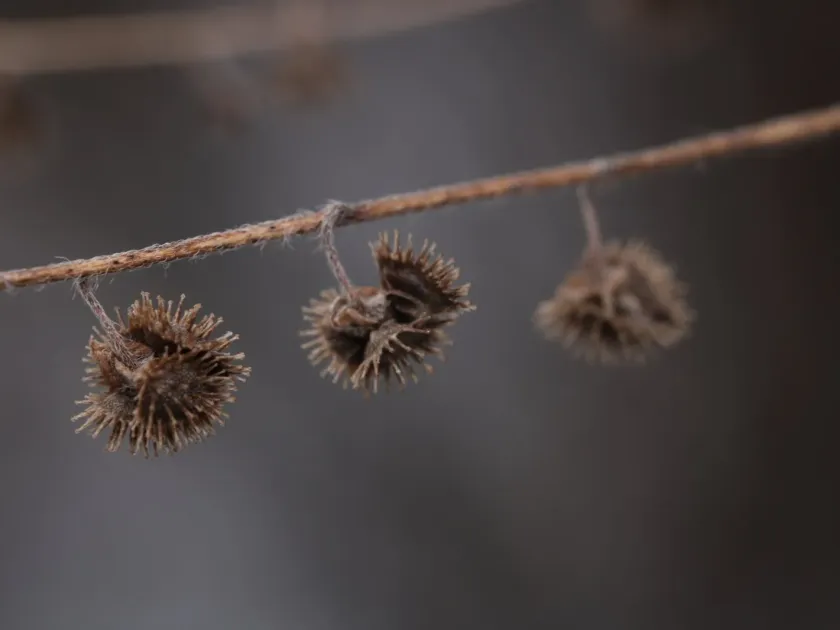
Cultivation of the species for specific industrial use is minimal, yet it remains a subject of ecological interest. In agricultural settings, it is often managed as a spontaneous weed that can interfere with forage quality due to its sticky, hooked seeds.
Main diseases and pests
Hackelia virginiana is generally resilient against common agricultural pests. Its leaves and stems are covered with coarse, stiff hairs, which serve as a physical deterrent against many generalist herbivores and insect pests.
Pathogen susceptibility includes typical fungal diseases like powdery mildew, which may occur in dense populations with poor air circulation. Proper spacing is the primary cultural practice to mitigate these risks in any experimental cultivation setting.
Root health is crucial for biennial success; therefore, monitoring for soil-borne pathogens is recommended. Over-saturated soil conditions can promote root rot, which remains a significant physiological threat to the plant's development.
Weed management involves mechanical removal or hoeing before the seeds fully mature. The seeds' hooked nature makes them problematic, as they readily attach to equipment and livestock, facilitating their rapid spread across fields.
Chemical control via herbicides is effective, but timing is essential. Application should occur during the rosette stage, as the plant becomes more resistant to standard treatments once the secondary, more robust floral stem begins its rapid elongation.