
Hackelia micrantha
Hackelia micrantha
Description
Growing requirements
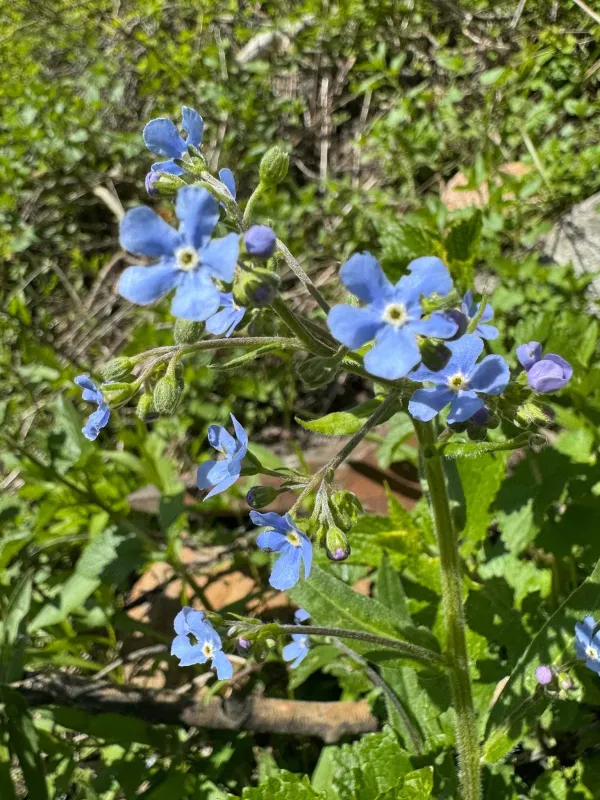
Hackelia micrantha, commonly known as Jessica stickseed, is a perennial herb belonging to the family Boraginaceae. It is indigenous to the western regions of North America, where it thrives in montane environments and damp open forests, showcasing high adaptation to varied altitudes.
The plant features distinctively hairy foliage and slender stems that can reach significant heights under favorable environmental conditions. Its root system is robust, allowing the plant to sustain itself during dry spells, which is typical for its natural habitat.
Optimal growth requires well-drained soil with high organic matter content. It performs best in substrates that prevent waterlogging, as the species is sensitive to crown rot when exposed to excessive moisture in the root zone for prolonged periods.
Regarding climate, the plant requires a temperate climate with clear seasonal changes. It is particularly responsive to the combination of cool nighttime temperatures and high daytime light intensity, which supports the healthy development of its inflorescences.
In terms of agricultural and ecological use, this species is valuable for native plant restoration and pollinator support programs. Its ability to colonize disturbed sites makes it an effective candidate for land reclamation and biodiversity improvement in rural landscapes.
Main diseases and pests
The primary pathological threats include powdery mildew and rust fungi, which frequently emerge during periods of high humidity or poor aeration. Proper spacing between individual plants is critical to mitigate these risks and maintain a healthy canopy.
Herbivorous pests like slugs, snails, and certain beetle species pose a threat to young seedlings and soft tissue. Implementing Integrated Pest Management (IPM) strategies, such as physical barriers and promoting natural predators, is recommended for long-term cultivation success.