
Hackelia floribunda
Hackelia floribunda
Description
Growing requirements
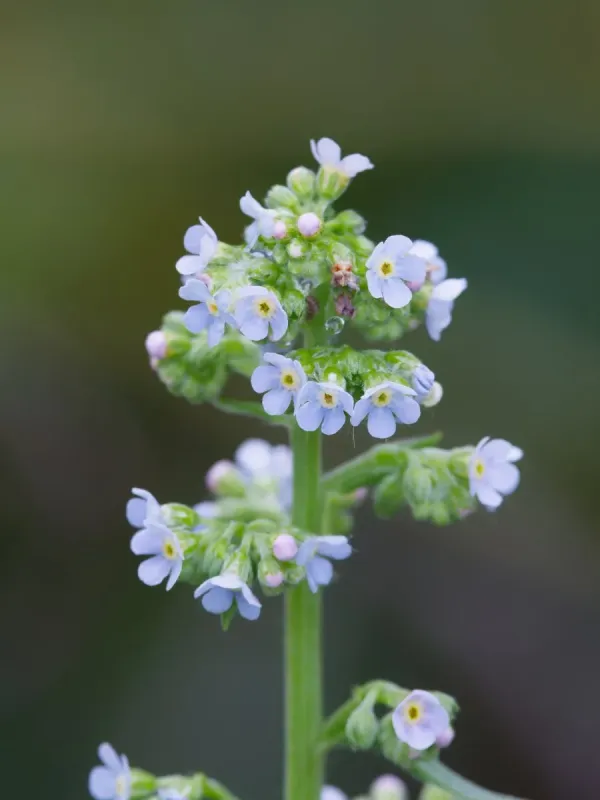
Hackelia floribunda, commonly known as the many-flowered stickseed, belongs to the Boraginaceae family. It is a hardy herbaceous perennial native to western North America, widely recognized for its prolific blue inflorescences.
The plant thrives in well-drained, porous soils. It is particularly well-adapted to rocky or sandy loam soils that prevent waterlogging, ensuring that the root system remains healthy throughout the wet season.
Environmental conditions play a crucial role in its growth; Hackelia floribunda prefers full sun to light shade. Adequate spacing is necessary to allow for proper air circulation, which is vital for the plant's health.
In terms of moisture, the plant requires consistent but moderate watering. It exhibits high drought tolerance once established, making it suitable for water-wise gardening and low-maintenance landscape projects.
Nutrient requirements are modest, but applying organic mulch or light fertilizer in early spring can promote more vibrant blooms and stronger stem development during the peak growth period.
Main diseases and pests
Root rot is the primary threat to Hackelia floribunda, typically triggered by soil compaction or excessive moisture accumulation during the winter dormant stage.
Fungal infections, such as powdery mildew, may affect foliage if air circulation is restricted. Monitoring humidity levels around the canopy is essential for disease prevention.
Aphids can infest developing buds and young leaves, potentially transmitting viral diseases. Early detection and the use of targeted biological controls are recommended management strategies.
Slugs and snails often pose a challenge to young seedlings in spring, requiring protective measures such as physical barriers or organic baiting to maintain plant vigor.
Effective pest management relies on a combination of good sanitation practices, such as removing fallen leaves and debris, and ensuring the plant has enough space to grow without competition.