
Habranthus tubispathus
Habranthus tubispathus
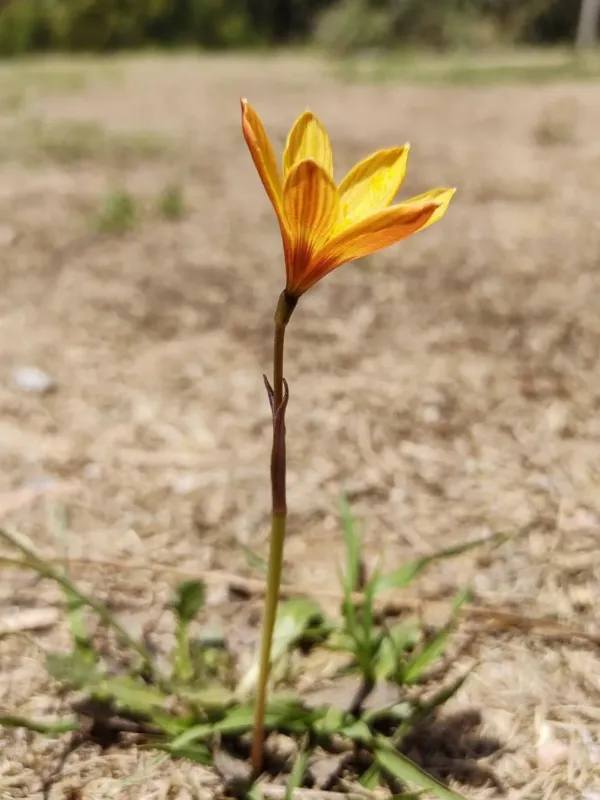
Description
Sowing dates
The planting of Habranthus tubispathus bulbs should take place in the spring once the danger of frost has passed and soil temperatures have risen significantly.
Bulbs are typically planted at a depth of 5 to 8 centimeters in well-drained, porous soil to encourage healthy root development and prevent bulb rot.
When planting in groups, spacing should be maintained at roughly 10–15 centimeters to allow for proper airflow around the emerging foliage.
For container gardening, use a high-quality potting mix enriched with grit to ensure the substrate remains loose and does not become waterlogged.
Direct seeding is possible in warmer climates, provided the seeds are kept moist and placed in a location with consistent ambient temperatures.
Growing requirements
Habranthus tubispathus, a member of the Amaryllidaceae family, originates from South America and thrives in warm, sunny environments with moderate humidity.
The plant requires full sun to partial shade; however, in regions with intense summer heat, light afternoon shade is recommended to maintain leaf vigor.
Soil should be fertile and neutral or slightly acidic in pH, with a texture that facilitates rapid drainage to protect the sensitive bulb structure.
Regular watering is essential during the active growing season, but the soil must be allowed to dry slightly between irrigation sessions to avoid issues.
As a non-hardy bulb in temperate zones, the plants must be lifted before the first autumn frost and stored in a cool, dry area until the following spring.
Main diseases and pests
The primary threat to the health of these bulbs is fungal decay, often triggered by excessive soil moisture or poor drainage conditions in the garden bed.
Insects like spider mites and mealybugs can infest the foliage, particularly in greenhouse or sheltered conditions, necessitating the use of insecticides.
Bulb-boring larvae pose a significant risk, as they can hollow out the bulb and cause a sudden collapse of the entire plant during the growth phase.
Integrated pest management strategies should focus on ensuring adequate soil ventilation and applying preventative fungicide dips before the planting season.
Regular monitoring for signs of yellowing leaves or stunted growth is vital, as these are often the first symptoms of underlying rot or pest activity.