
Habenaria rhodocheila
Habenaria rhodocheila
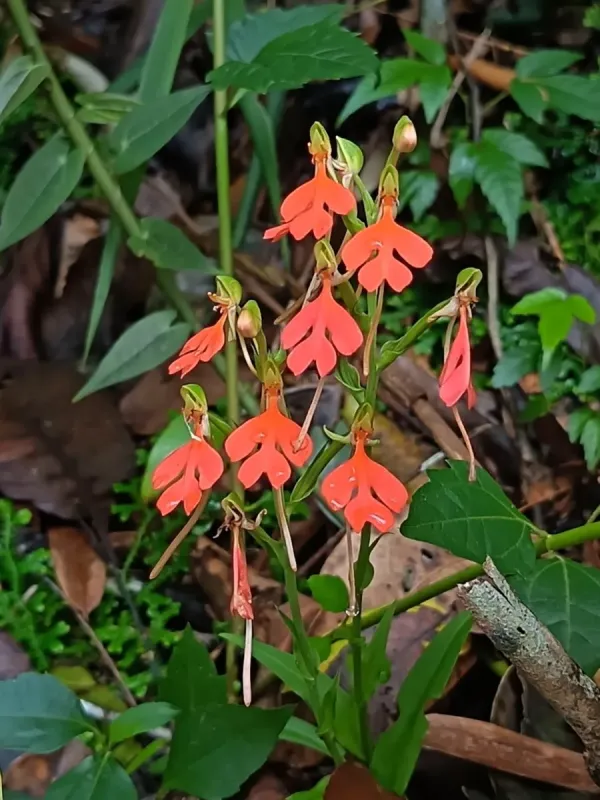
Description
Sowing dates
Habenaria rhodocheila is a tuberous perennial plant belonging to the Orchidaceae family. It is prized for its spectacular blooms and unique growth cycle, which involves distinct periods of active vegetative growth and a dormant stage.
Planting of the tubers usually begins in late winter or early spring as the dormant buds begin to swell. The tubers should be placed in a loose, well-draining substrate with the growth point facing upward to facilitate healthy sprout development.
Seed-based propagation is highly technical and typically limited to laboratory environments because orchid seeds lack endosperm. Most growers prefer vegetative propagation through division of the parent tuber cluster during repotting.
Ensuring the correct orientation and depth is crucial for the emergence of the stem. A planting depth of approximately 1-2 centimeters is generally sufficient to protect the bud while allowing it to break the surface easily.
Proper spacing between tubers in a container prevents overcrowding and competition for nutrients, which is vital for the development of robust flower spikes during the peak of the growing season.
Growing requirements
The cultural requirements for this orchid include a very airy and light substrate. A blend of peat, perlite, and fine bark chips provides the necessary drainage and aeration required by the root system.
Bright, indirect light is essential for the healthy growth of the foliage. Direct sunlight can easily scorch the leaves, so positioning the plant in a spot with filtered light is highly recommended.
High humidity levels (between 60% and 80%) should be maintained throughout the growing season. Using pebble trays with water or ultrasonic humidifiers can help create a suitable microclimate for this species.
Temperature management is key; the plant prefers warm conditions ranging from 20°C to 28°C during the day. Maintaining stable temperatures avoids the stress that leads to premature bud drop or leaf yellowing.
Watering must be done carefully, using distilled or filtered water. During the dormancy phase, when the foliage turns yellow and dies back, watering must be completely suspended to prevent tuber rot.
Main diseases and pests
The most significant threat to Habenaria rhodocheila is root rot caused by stagnant water in the substrate. Once the tuber starts to rot, it is often impossible to save the plant, making prevention critical.
Spider mites are a common pest, especially in dry environments. They cause stippling and discolouration on the leaves, and if left untreated, they can lead to significant plant decline and loss of vigor.
Mealybugs can also infest the plant, hiding in the junctions between leaves. Regular monitoring and the application of insecticidal soaps or systemic pesticides are effective control measures for these pests.
Fungal infections, such as Botrytis, can affect the flowers if air circulation is poor or if moisture settles on the petals. Proper ventilation is essential to maintain a healthy floral display.
Viral diseases, often manifesting as yellow mosaic patterns on the leaves, pose a severe threat. Since there is no cure, infected plants must be isolated or destroyed to protect the rest of the collection.