
Habenaria distans
Habenaria distans
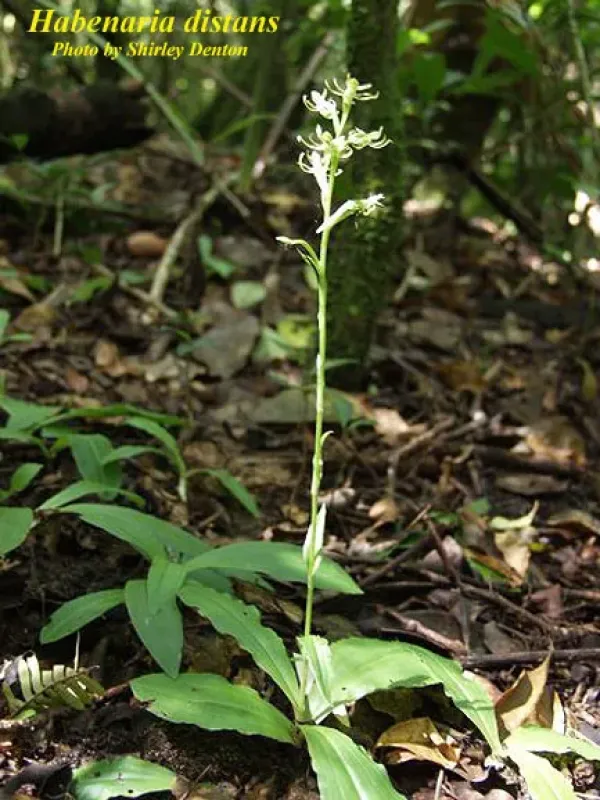
Description
Growing requirements
Habenaria distans is a species of terrestrial orchid belonging to the Orchidaceae family. Native to tropical regions of the Americas, including the Caribbean, this plant is valued for its unique growth habit and delicate inflorescence.
The plant features a deciduous lifestyle, meaning it develops from underground tubers that go through a distinct dormancy period. In its natural environment, it thrives in shaded, moist areas with high organic content in the soil.
Cultivation requirements include a well-draining yet moisture-retentive substrate. A mixture of pine bark, perlite, and high-quality peat or leaf mold is recommended to ensure the tubers receive enough oxygen and do not sit in stagnant water.
Regarding climate, the plant requires consistent warmth during the growing season, ideally between 20°C and 25°C. High humidity levels, often exceeding 60%, are crucial to prevent the leaves from drying out or developing brown tips.
Light intensity should be kept low to medium. Exposure to direct sunlight is typically detrimental to this species, as it is adapted to the filtered light conditions of the forest floor. Providing bright but indirect light is the key to healthy growth.
Main diseases and pests
The primary threats to Habenaria distans are fungal and bacterial rots, which often occur when the substrate is too heavy or waterlogged. Proper drainage and air circulation are essential to prevent tuber decay during the growing season.
Insect pests, such as aphids and mealybugs, can infest the foliage, particularly when plants are grown in overcrowded conditions. Regular monitoring of the underside of leaves and keeping the growing area clean will help prevent infestations.