
Gyrinops walla
Gyrinops walla
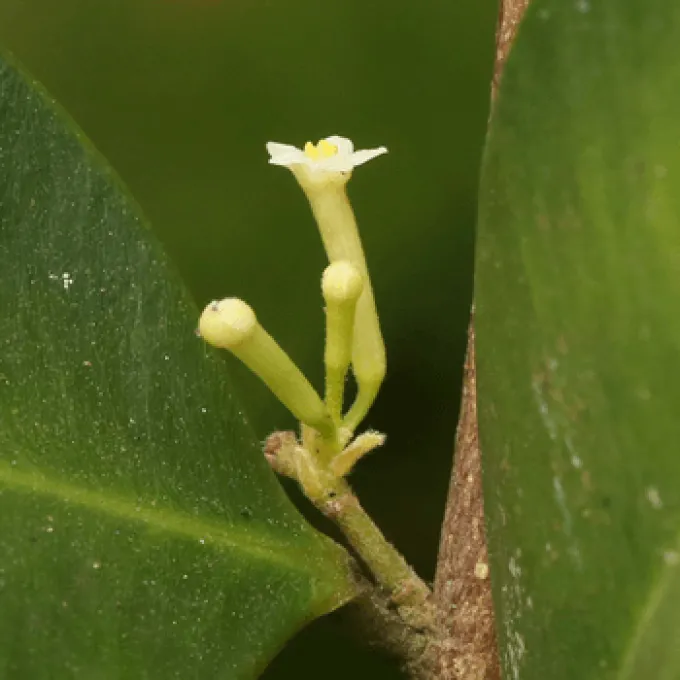
Description
Sowing dates
Propagation of Gyrinops walla is primarily achieved through seeds in professional nursery settings. Because the seeds possess a short shelf life and lose viability rapidly, they must be sown immediately after harvesting in a rich, organic substrate.
The optimal time for seeding coincides with the onset of the monsoon season, which provides the natural humidity necessary for germination. Using containerized propagation techniques allows for better management of seedling development before field transplantation.
Transplanting to the field is conducted when seedlings reach a height of approximately 30 to 50 centimeters. Protecting young trees with shade cloths during the initial adaptation period is essential to prevent desiccation from intense sunlight.
The standard planting density involves spacing trees about 3 meters apart to ensure proper airflow and minimize resource competition. Proper spatial arrangement is vital for promoting healthy growth and building the wood biomass required for resin production.
Regular fertilization with organic compounds and consistent mulching of the root zones are critical to maintaining the vigor and health of the young trees during their establishment years.
Growing requirements
Gyrinops walla is a member of the Thymelaeaceae family and is native to the tropical forests of Sri Lanka. The species thrives in humid tropical environments characterized by high annual temperatures and substantial rainfall.
The plant requires fertile, well-draining soils with a slightly acidic to neutral pH. It is particularly sensitive to waterlogging, making sloped terrain with natural drainage the preferred location for establishing a sustainable plantation.
A stable climate without extreme diurnal temperature fluctuations is crucial for optimal growth. The species generally prefers temperature ranges between 25 and 30 degrees Celsius with relative humidity levels exceeding 70 percent.
Wind protection is a significant factor in plantation management. Installing windbreaks around the perimeter helps reduce mechanical stress on the stems, allowing the trees to develop straight trunks, which is vital for later resin induction.
Ongoing soil monitoring ensures that the trees receive sufficient nitrogen, phosphorus, and potassium levels to sustain rapid vegetative development, which directly impacts the potential for future resin accumulation.
Yield
The primary economic goal of cultivating Gyrinops walla is the production of resinous wood, commonly known as agarwood or oud. This occurs through a defensive process triggered by physical injury or fungal inoculation of the tree trunk.
Commercial harvesting is typically feasible 7 to 10 years after planting. The yield of resin-infused wood depends heavily on the effectiveness of the induction techniques used to stimulate the metabolic response within the tree.
The harvested product is in high demand within the global fragrance and pharmaceutical industries. Extracting the essential oil requires specialized distillation equipment to capture the high-quality aromatic compounds contained within the resin.
The profitability of the cultivation project is tied to the resin content and the quality of the final oil extract. It is regarded as a high-value long-term investment that requires expertise in both forest management and post-harvest processing.
Strict quality control protocols during the collection and drying stages are necessary to ensure that the final output meets the rigorous standards of international luxury markets.
Main diseases and pests
Fungal pathogens represent the main threat to the plantation if left uncontrolled. While specific fungi are required to stimulate resin production, an imbalance can lead to timber decay and tree loss, necessitating careful disease management.
Various borers and foliage-feeding insects can cause significant damage to the trunk and leaves. Regular inspections are mandatory to identify early signs of infestation and to implement integrated pest management strategies.
Inadequate weed control during the early years can create a haven for pests and increase competition for nutrients. Maintaining a clean plantation floor is essential for the long-term health and productivity of the trees.
Excessive moisture resulting from climate extremes can lead to root rot. Managers must be prepared to improve drainage systems if signs of yellowing or stagnation appear in the nursery or plantation rows.
Avoiding the misuse of harsh synthetic pesticides is critical to maintaining the purity of the end product, as chemical residues can negatively impact the market value and quality of the extracted agarwood oil.