
Gyrinops ledermannii
Gyrinops ledermannii
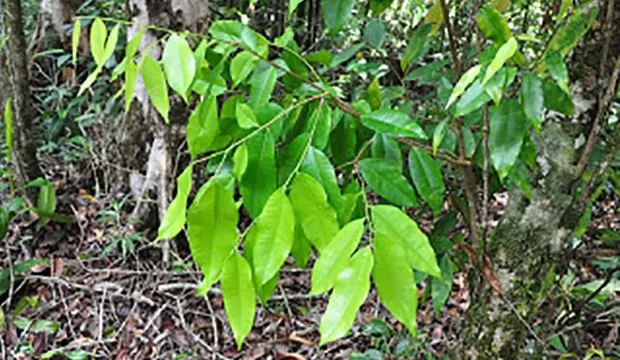
Description
Sowing dates
Gyrinops ledermannii is an evergreen tree, and its propagation in agricultural conditions is most often carried out by seeds in nurseries.
Freshly harvested seeds have low viability, so sowing is performed immediately after extraction from the fruits, having previously cleaned them from the pericarp.
In plantation conditions, seedlings are grown in containers for 6–12 months until they reach a height of 30–50 cm, ensuring better survival rates.
Planting in open ground is carried out at the beginning of the rainy season to provide young trees with a period of stable humidity for root system adaptation.
Planting density varies from 800 to 1200 trees per hectare, depending on the strategy of future artificial wood inoculation with fungi.
Growing requirements
The culture belongs to the Thymelaeaceae family and is endemic to the tropical forests of Indonesia and Papua New Guinea.
The tree requires a warm, humid climate with annual rainfall between 2000 and 3000 mm and no distinct dry seasons.
Optimal soils for cultivation are deep, well-drained loams or red earths with a pH range from 5.5 to 6.5.
The culture develops well in partial shade during the early stages of life, but in adulthood, it requires sufficient sunlight.
The plant is extremely sensitive to waterlogging; therefore, drainage ditches must be installed in areas with heavy soils to remove excess water.
Yield
The primary economic value of the culture lies in obtaining highly valued aromatic resin, known as oud, which forms in response to tree damage.
The process of natural resin formation takes decades; therefore, agriculture employs artificial inoculation methods with specific fungal species.
The first signs of valuable wood formation after artificial stimulation appear 18–24 months after the inoculation procedures are completed.
Yield is assessed not in biomass weight indicators, but in the volume of high-quality resinous wood extracted during sanitary or clear felling.
Commercial sale of the products includes using the resin in the perfume industry, medicine, and the production of expensive incense.
Main diseases and pests
Leaf-eating insects pose the greatest danger to young plantations, which can significantly slow down the growth of seedlings at the initial stage.
Root rots, caused by poor drainage and soil fungal infections, are the main cause of tree loss in the first years of life.
A serious biological risk is the uncontrolled spread of pathogens that can cause premature dieback of woody tissues.
Plant protection includes regular monitoring of bark and canopy condition, as well as the use of balanced fertilizers to support immunity.
Traditional control methods involve integrating eco-friendly biopreparations to suppress pest activity without harming the quality of the future resin.
Harvesting
Harvesting is a complex technological process of selective extraction of resinous wood sections from the tree trunk and branches.
The optimal age of the tree to start exploitation ranges from 8 to 12 years, when resin accumulation reaches commercially viable concentrations.
Collection is carried out by carefully drilling or cutting out the affected areas of the wood, while it is important not to destroy the entire healthy tree at once.
After extraction, the resinous parts undergo a procedure of thorough cleaning from raw wood and are sorted by the quality of their aromatic properties.
The harvesting process requires highly skilled personnel, as the quality of the final product directly depends on the care taken during resinous material extraction.