
Gueldenstaedtia verna
Gueldenstaedtia verna
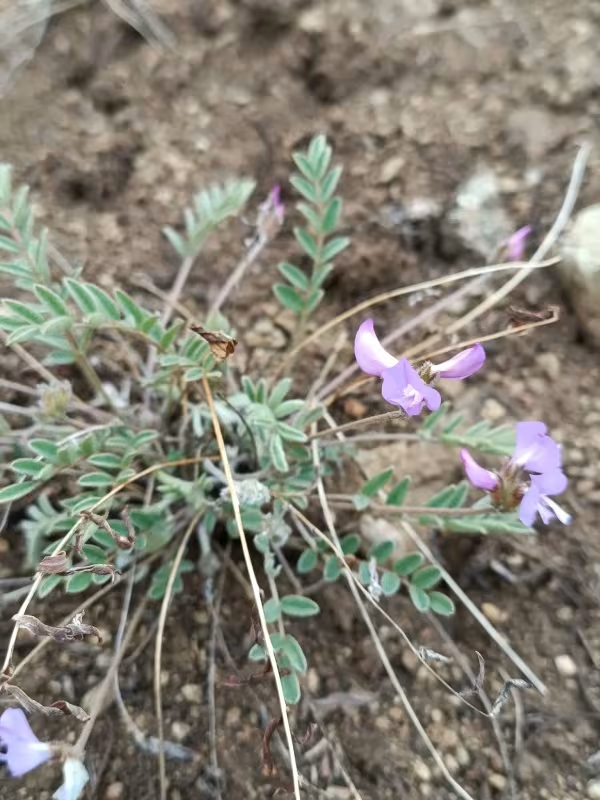
Description
Sowing dates
Gueldenstaedtia verna is a perennial herbaceous plant belonging to the Fabaceae family. It is known for its compact growth habit and its ability to thrive in various steppe ecosystems, making it a subject of interest for specialized forage cultivation.
The sowing process should be initiated in early spring when the soil temperature consistently reaches 8–10 degrees Celsius. Consistent soil moisture is essential during the germination phase to ensure a high plant density.
Due to the hard seed coat typical of many legumes, scarification is a recommended pre-sowing treatment. This practice enhances water absorption and significantly improves the uniformity of plant emergence.
Seeds should be planted at a shallow depth of approximately 1–2 centimeters. Proper seedbed preparation, including leveling and removing perennial weeds, is vital for the survival of the seedlings during their slow early-growth stage.
Maintaining proper spacing between rows allows for easier weed control and improves air circulation around the plants, which is beneficial for the overall health of the crop as it matures.
Growing requirements
This species is well-adapted to open, sunny environments. It performs best on well-drained loamy or sandy soils, showing a preference for sites that do not retain excess water, which could lead to root damage.
Gueldenstaedtia verna shows a high level of winter hardiness, allowing it to survive the severe climatic conditions typical of continental regions. This makes it a reliable crop in areas with cold winters.
In terms of nutrients, the crop benefits from supplemental phosphorus and potassium fertilization. These elements are critical for developing a robust root system and improving the plant's overall resilience against environmental stress.
The plant is sensitive to waterlogging. Therefore, selecting fields with natural drainage or creating appropriate slope management is essential to prevent root rot and ensure the longevity of the forage stand.
Optimal growth is achieved in neutral or slightly alkaline soil conditions. Regular soil testing is recommended to ensure that the pH levels are within the range that supports optimal nutrient availability for legumes.
Main diseases and pests
Fungal pathogens such as powdery mildew are common threats in humid environments. These diseases can significantly reduce photosynthetic capacity if they spread across the foliage during the peak growing season.
Root-feeding pests, particularly weevils, pose a major risk to the crop by damaging the symbiotic nodules on the roots, which directly interferes with the plant's natural nitrogen-fixation process.
Aphids can cause damage to young shoots and leaves, leading to stunted growth and reduced vigor. Monitoring for early signs of infestation is crucial to prevent the need for chemical intervention.
Integrated pest management strategies should be employed, prioritizing cultural practices like crop rotation and mechanical weeding over chemical treatments to maintain a sustainable agricultural balance.
The long-term health of the field depends on maintaining biodiversity, as natural predators of these pests help keep their populations below the economic injury level, ensuring stable yields over time.