
Grias peruviana
Grias peruviana
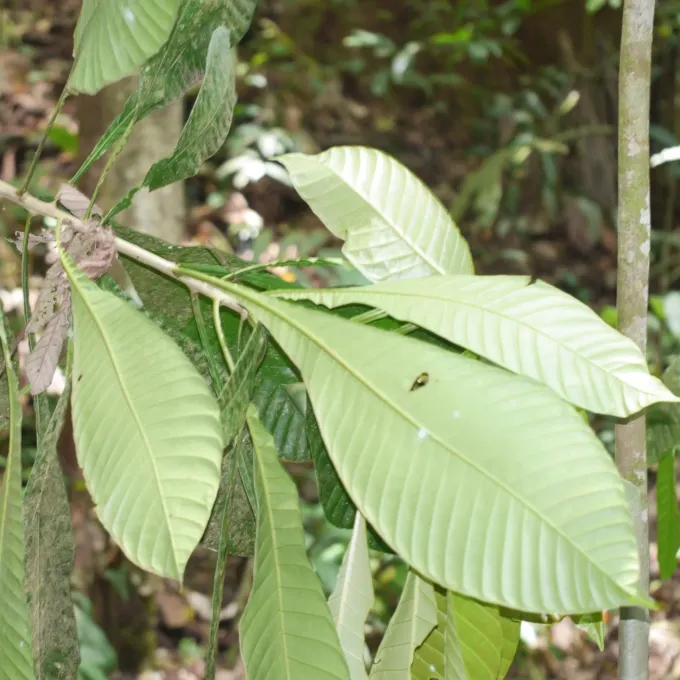
Description
Sowing dates
Grias peruviana is primarily propagated through seeds, as this remains the most natural method for the species in its tropical environment. Seeds have a very short viability window and should be planted immediately after extraction from the fruit.
For successful germination, well-draining yet moisture-retentive soil, rich in organic matter, is essential. Nursery beds are typically used for propagation, where humidity levels are carefully controlled to prevent the seeds from drying out.
The optimal planting time coincides with the start of the rainy season, which provides the necessary hydration for root system development. Germination takes place over several weeks under consistently warm conditions.
When transplanting seedlings, great care must be taken to avoid damaging the sensitive roots. Young plants require partial shade for the first few years to protect them from the harsh intensity of tropical direct sunlight.
While vegetative propagation is technically possible, it is rarely utilized on a large scale for this crop, as seedling growth provides better long-term structural integrity and adaptation to local site conditions.
Growing requirements
As a member of the Lecythidaceae family, Grias peruviana has strict climate requirements that confine its cultivation to tropical regions. The tree thrives only in environments with high humidity and consistent warmth throughout the year.
Ideal cultivation sites are lowland tropical forests, where annual rainfall is abundant and evenly distributed. Even short periods of drought can cause significant stress, leading to flower drop and reduced fruit quality.
The soil must be deep, fertile, and slightly acidic to neutral, with excellent structure to allow for deep root penetration. Although the tree loves moisture, waterlogging must be avoided to prevent soil-borne fungal pathogens.
Ambient temperatures should remain between 22 and 30 degrees Celsius. The tree is extremely sensitive to cold and frost; even a slight drop in temperature can result in permanent damage or death of the specimen.
Protection from high-speed winds is also vital. The large, broad leaves are susceptible to shredding, and the tree's architecture can be compromised if exposed to open, windy conditions without appropriate windbreaks.
Yield
The yield of Grias peruviana is influenced by the maturity of the tree and the overall quality of agricultural management. Fruit production begins a few years after planting and increases gradually as the tree establishes its framework.
The fruit, a large drupe with edible pulp, is the primary economic output. Yield consistency depends heavily on local pollinator activity, which is a critical factor in successful fertilization of the large, distinct flowers.
Pollination often relies on specific insects or local fauna such as bats. Maintaining a healthy surrounding ecosystem is thus a key agronomic strategy to ensure satisfactory fruit set and development.
Strategic pruning helps in directing the tree's energy towards fruit production rather than excessive vegetative growth. Regular canopy management also ensures that light reaches the inner branches, promoting overall tree health.
In mature, well-tended plantations, Grias peruviana can produce stable harvests, provided that moisture levels are managed properly and competition from invasive species is kept to a minimum.
Main diseases and pests
Fungal diseases are the primary threats to Grias peruviana, particularly in waterlogged conditions that weaken the root system. Proper site selection and drainage management are the most effective preventative measures.
Tropical insect pests, including various scale insects and borers, can damage the bark and foliage. Regular inspection of the trees allows for the early detection and management of pest outbreaks before they reach critical levels.
Wildlife such as monkeys and rodents are common competitors for the fruit. Protecting the harvest with physical barriers or netting is a common practice in commercial settings to minimize loss before the harvest season.
Epiphytic plants and parasitic vines can also smother the tree canopy, reducing the amount of light reaching the leaves and causing mechanical strain on the branches. Regular cleaning and weeding of the tree trunk and surroundings are essential.
As environmental conditions change, Grias peruviana may become increasingly susceptible to new pathogens, requiring ongoing agronomic research and adaptive management practices to maintain plantation health.
Harvesting
Harvesting Grias peruviana is a manual process, as the fruits are delicate and prone to bruising if they fall to the ground. Timing the harvest based on technical maturity is crucial for quality control.
Extreme care must be taken during the picking process to avoid damaging the branches, which could affect the tree's future productivity. Tall trees often require specialized equipment or platforms to ensure a safe harvest.
Post-harvest handling is critical, as the fruits have a short shelf life in the heat. They must be moved to a cool, shaded environment immediately after picking to slow the fermentation process and preserve the pulp's quality.
Sorting by size and condition allows for the segregation of top-quality fruit for fresh markets from those suitable for processing. This optimization helps increase the total economic value of the harvest.
Maintaining a well-planned harvest schedule throughout the ripening season ensures that the farmer captures the maximum yield from each tree while minimizing post-harvest losses and waste.