
Grias neuberthii
Grias neuberthii
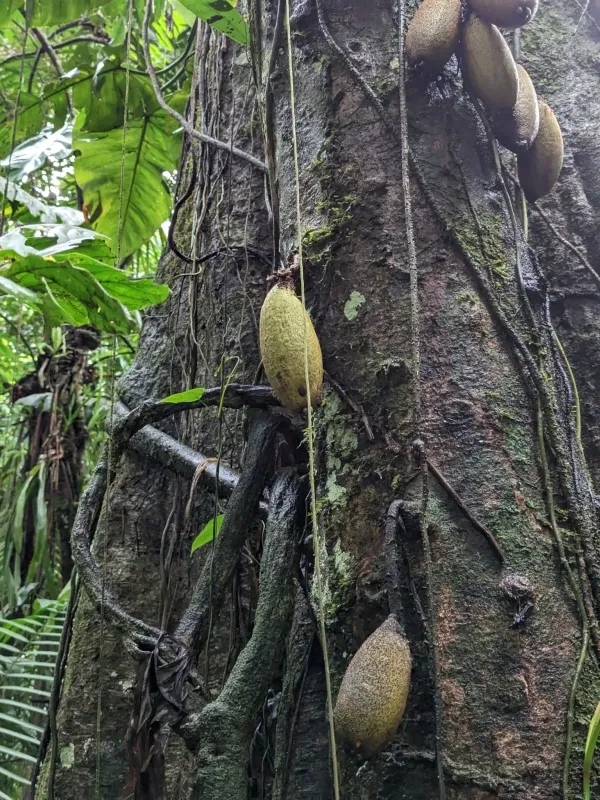
Description
Growing requirements
Grias neuberthii is a distinct plant species belonging to the Lecythidaceae family, native to the tropical rainforests of the Amazon basin, including parts of Ecuador and Peru.
Botanically, it is recognized for its thick, leathery leaves and the characteristic feature of cauliflory, where flowers and subsequent fruit develop directly on the main trunk of the tree.
To thrive, this plant demands an equatorial climate with consistently high temperatures and high levels of atmospheric humidity throughout the entire growing season.
The ideal soil for Grias neuberthii is nutrient-rich, moist, and well-draining, mirroring the conditions found in the riverine floodplains of its native habitat.
It performs best in shaded or semi-shaded environments, as direct, intense tropical sunlight can damage the foliage of young plants that typically grow in the understory of dense forests.
Harvesting
The primary agricultural interest in Grias neuberthii lies in its fruit, which contains edible seeds highly valued by indigenous communities for their nutritional content.
Harvesting requires careful monitoring to identify mature fruits, which are typically gathered by hand to ensure the structural integrity of the delicate cauliflorous branches.
Post-harvest management is crucial, as the fruit has a limited shelf life and must be processed or consumed quickly to prevent degradation in high-humidity environments.
The seeds are often prepared through boiling or roasting, methods that not only improve flavor but also neutralize any potential anti-nutritional compounds present in the raw fruit.
While the cultivation of Grias neuberthii remains largely localized, its biological resilience and unique nutritional profile make it a subject of interest for sustainable agroforestry projects in the tropics.