
Grias cauliflora
Grias cauliflora
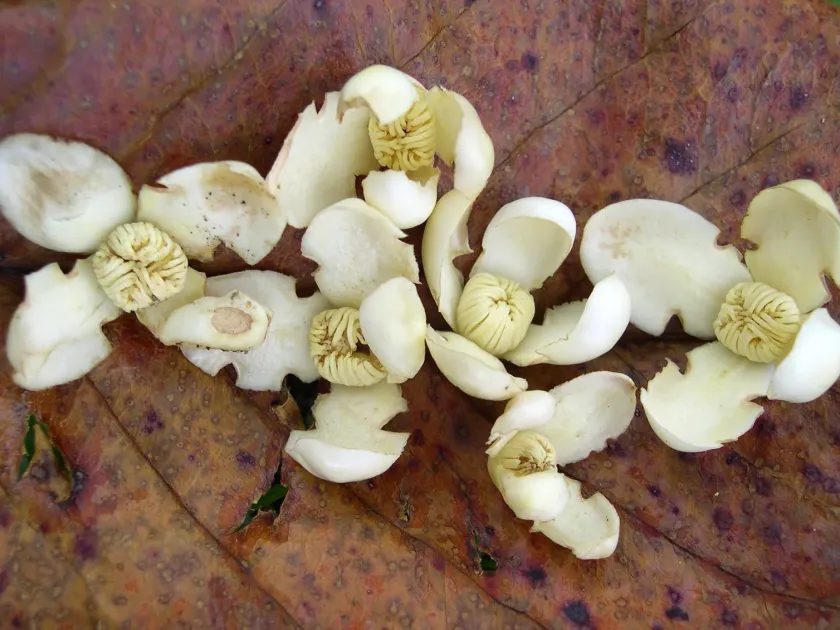
Description
Sowing dates
Propagation of Grias cauliflora is primarily achieved through seeds, which exhibit recalcitrant behavior and must be planted immediately after fruit extraction.
The seeds should be sown in a high-quality, organic-rich potting medium, ensuring that moisture levels remain consistent and high throughout the germination phase.
Optimal germination occurs at temperatures between +25 °C and +30 °C, mimicking the warm, stable conditions found in the tropical rainforest understory.
Seedlings require shaded conditions to protect them from direct, intense sunlight that can lead to leaf desiccation and stunted early growth patterns.
Proper spacing in nursery beds is essential to ensure that seedlings develop strong, healthy root systems before they are transplanted to their permanent locations.
Growing requirements
Grias cauliflora belongs to the Lecythidaceae family and thrives in tropical environments characterized by high annual precipitation and humidity levels.
The species prefers well-draining, deep, and fertile soil, ideally with a neutral to slightly acidic pH, typical of tropical lowland forest floors.
As a tropical native, this tree is highly sensitive to cold stress and frost, requiring a strictly frost-free climate to maintain biological productivity.
Protection from strong winds is necessary to prevent physical damage to the large, ornamental leaves that define the aesthetic structure of the plant.
Adequate irrigation must be managed if the local climate has a dry season, as the plant does not tolerate prolonged periods of drought.
Yield
The fruit of Grias cauliflora, often referred to as anchor fruit, is produced in a cauliflorous manner, meaning it grows directly on the main trunk of the tree.
The fruit is edible and culturally significant in its native ranges, often being boiled or fried to improve texture and flavor profile for consumption.
Trees reach reproductive maturity after several years, and consistent yields depend on balanced nutrient availability and adequate environmental support.
In addition to its culinary use, the tree has localized utility as a timber source, though its primary agricultural value remains the harvest of its nutritious fruits.
Well-maintained plantations of anchor trees can provide a steady supply of exotic fruit, making it an interesting candidate for niche tropical agriculture.
Main diseases and pests
The plant is susceptible to common tropical pests, including scale insects and wood-boring beetles that may damage the trunk and lower branches.
Fungal pathogens can pose a threat to the root system if drainage is inadequate, leading to waterlogging and subsequent decay of the sensitive tissues.
Phytosanitary management is critical; inspecting the bark and stem is essential to detect any early signs of pest infestation or disease development.
Ants and other canopy-dwelling organisms can sometimes cause secondary damage, creating entry points for microorganisms in the fruit-bearing regions of the tree.
Utilizing organic-based pest control methods is advised, particularly for trees grown in proximity to residential areas or for human consumption markets.
Harvesting
Harvesting is a delicate manual process, as the fruit must be removed from the trunk without causing injury to the protective bark of the tree.
The harvest index is determined by visual inspection of fruit size and changes in skin texture, indicating that the fruit is ripe for harvesting.
Post-harvest handling requires gentle care, as the fruits are perishable and can be damaged if stacked improperly during transportation from the field.
Effective air circulation during storage is crucial to prevent the onset of spoilage, which can occur rapidly in the high-temperature tropical harvest zone.
Small-scale farmers often coordinate harvests based on local market demand to ensure that the produce reaches the consumer at the peak of its quality.