
Ozhanin onion
Allium oschaninii O. Fedtsch.
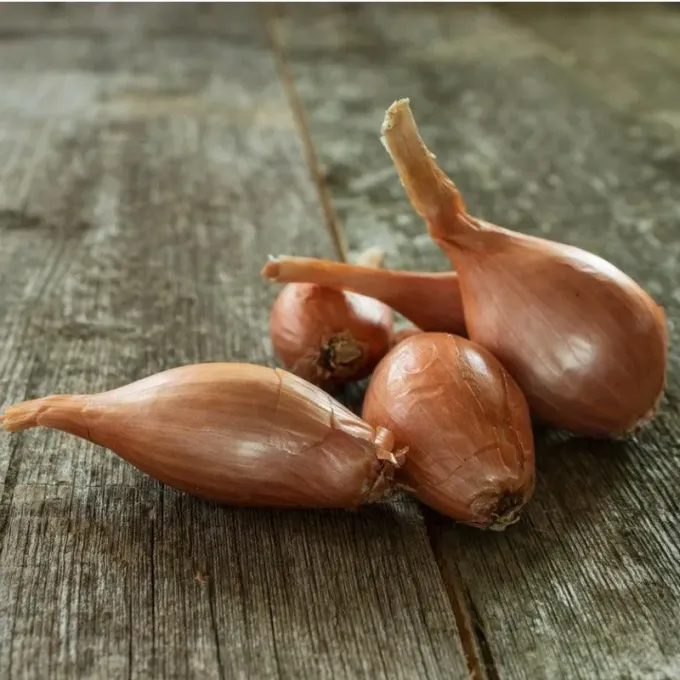
Description
Sowing dates
Ozhanin onion (lat. Allium oschaninii) is a perennial herbaceous plant belonging to the Amaryllidaceae family. Originating from the mountainous ranges of Central Asia, it is naturally adapted to survive in diverse and often harsh climatic conditions.
Planting is typically performed in early spring or late autumn when soil temperatures begin to stabilize. Propagation is primarily achieved through the division of mature bulb clusters, which ensures the genetic integrity and faster establishment of the plants in new soil.
Growing requirements
The plant requires full sun exposure to thrive and produce high-quality bulbs. It exhibits remarkable drought tolerance, yet it benefits from controlled irrigation during the active vegetative stage to ensure proper bulb swelling and foliage growth.
Soil requirements focus on excellent drainage and a neutral pH level. It is crucial to avoid low-lying areas where water may accumulate, as the root system of this species is highly susceptible to rot if subjected to prolonged moisture saturation.
Yield
In agriculture, this species is highly valued for its role in the development of modern shallot varieties. Its ability to produce multiple bulbils within a single cluster allows for efficient multiplication and sustainable yields for domestic or small-scale farming.
Main diseases and pests
Key diseases affecting the crop include downy mildew, which is exacerbated by high humidity levels. Common pests like the onion fly can cause significant damage to the root system, necessitating careful monitoring and integrated pest management strategies.
Harvesting
Harvesting should be timed to coincide with the natural drying of the foliage, usually when the leaves turn yellow and collapse. Once extracted, the bulbs must be cured in a dry, ventilated area to enhance their storage longevity and prevent fungal growth.